

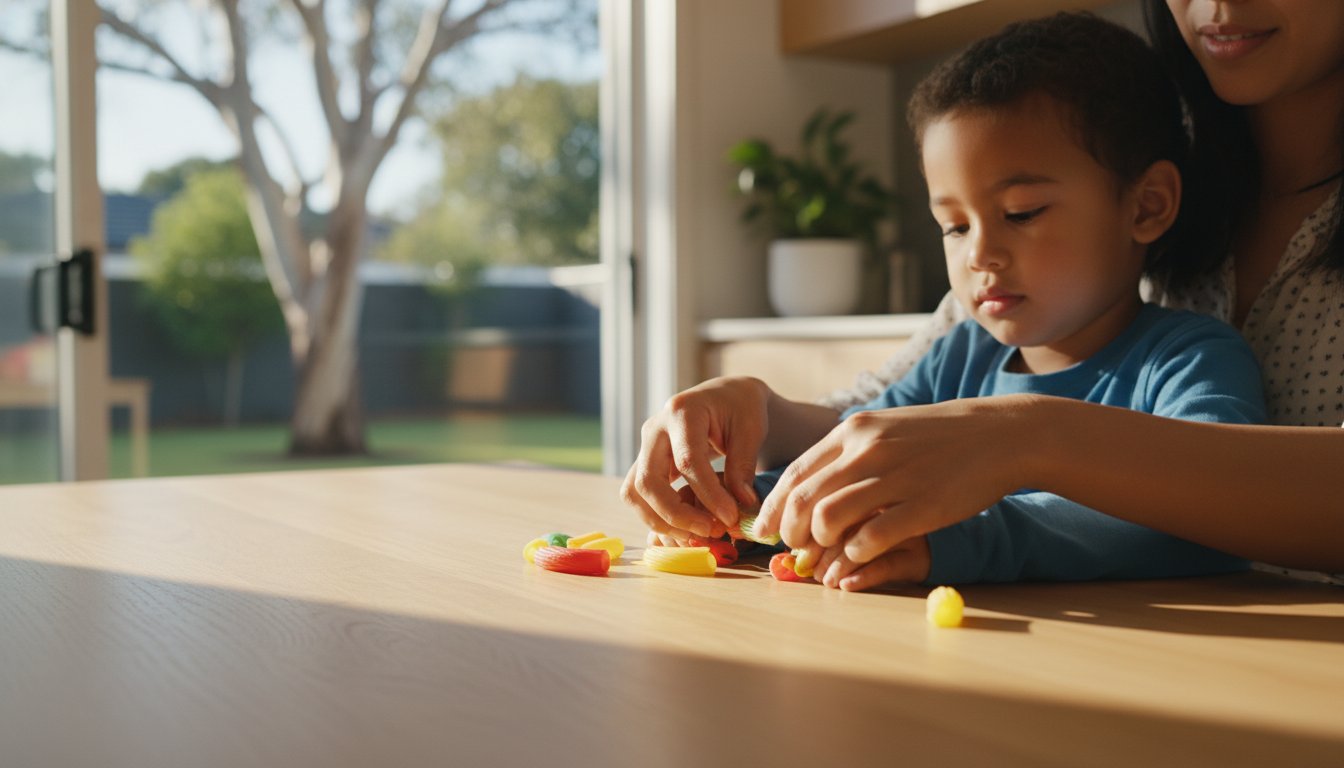
What if the most transformative breakthroughs for your child didn’t happen in a clinical setting, but right at your kitchen table or in the backyard? You likely feel the weight of a busy family schedule and the pressure of NDIS goals, often wondering if therapy only counts when a professional is in the room. It’s completely natural to feel that supporting your child requires expensive sensory toys or hours of dedicated time you simply don’t have. Many parents worry that they aren’t doing enough, especially when clinical appointments feel far apart or budgets are stretched thin.
We believe that you’re the best advocate for your child’s development. This guide shows you how to integrate meaningful paediatric occupational therapy activities at home using items you already own, turning everyday moments into opportunities for growth. You’ll discover practical, evidence-based strategies that fit into your existing routine, helping you see measurable progress in your child’s independence. We’ll walk through low-cost activities that build fine motor skills, emotional regulation, and confidence; ensuring you feel empowered to support your child’s journey every single day as we move into 2026.
Key Takeaways
- Learn why practicing skills in a natural environment is the secret to helping your child’s progress truly last beyond the clinic.
- Discover how simple “heavy work” and movement can build the sensory foundation your child needs for emotional regulation and learning.
- Explore creative paediatric occupational therapy activities at home that turn kitchen chores and bath time into powerful motor skill building.
- Master the “micro-burst” approach to therapy so you can support your child’s goals without feeling overwhelmed by a busy family schedule.
- Understand how to document home progress to strengthen your NDIS plan reviews and explore cost-effective support options like Allied Health Assistants.
Table of Contents
- Why Home-Based Paediatric Occupational Therapy is a Game Changer
- Sensory and Emotional Regulation Activities for a Calmer Home
- Building Motor Skills through Everyday Play and Household Routines
- How to Create a Sustainable Home Therapy Schedule (Without the Stress)
- Integrating Home Activities with Your NDIS Plan and Professional Support
Why Home-Based Paediatric Occupational Therapy is a Game Changer
Home-based therapy isn’t just about convenience. It’s about meeting your child where they feel most secure. Occupational therapy is a holistic practice that focuses on the activities of daily life. When we bring these principles into your living room, we aren’t just doing exercises; we’re building a foundation for independence in the real world. We understand that your home is the heart of your child’s world, and that’s where the most meaningful growth happens.
One of the most vital concepts in child development is “generalisation.” This is the ability to take a skill learned in one environment, like a clinic, and apply it to another, like the dinner table. Often, children master a task with a therapist but struggle when they get home. By focusing on paediatric occupational therapy activities at home, we bridge that gap. We ensure the progress made isn’t just a “clinic skill” but a life skill that sticks.
Whether you’re in a quiet suburb in Melbourne or a family home in Adelaide, your house is your child’s safe space. In this familiar environment, sensory triggers are known and managed. Transition anxiety, which often peaks during the drive to a clinic or the walk into a waiting room, is significantly reduced. When a child feels safe, their brain is more open to learning and trying new things. You are the leading expert on your child; you know their favorite colors, their specific fears, and what makes them laugh. Our role as therapists is to be the experts on the strategies. Together, we form a partnership that honors your child’s autonomy.
The Benefits of Natural Environment Teaching
Learning happens best where life happens. Consider the simple act of brushing teeth. Practicing this at a clinic sink with a different toothbrush and different lighting is rarely as effective as doing it in your own bathroom. Natural environment teaching removes the need for your child to “translate” instructions to a new setting. It supports the broader goals of what is occupational therapy by focusing directly on functional independence within your daily household rhythm. It makes every paediatric occupational therapy activities at home feel like play rather than work.
Empowering Parents as Co-Therapists
You don’t need to set aside an hour of “therapy time” every day. Instead, we use a coaching model to help you enhance the moments you’re already sharing. It might be how you encourage your child to help with the laundry or the way you structure their playtime. These small, daily wins build your confidence. You’ll move from feeling like a spectator in your child’s therapy to being the primary facilitator of their growth. This collaborative approach ensures that support is constant, gentle, and sustainable for the whole family.
Sensory and Emotional Regulation Activities for a Calmer Home
Regulation is the quiet foundation upon which all other developmental skills are built. Before a child can focus on handwriting or social interaction, their nervous system needs to feel safe and balanced. We often talk about two main types of sensory input: proprioceptive and vestibular. Proprioceptive input, or “heavy work,” involves the muscles and joints. It’s naturally grounding and helps children understand where their body is in space. Vestibular input involves movement and balance, which can either wake up a tired system or calm an overactive one. Understanding these differences helps you choose the right paediatric occupational therapy activities at home for your child’s specific needs at any given moment.
You don’t need a professional-grade sensory room to achieve these results. Many effective paediatric occupational therapy activities at home use what you already have in your cupboards. The most powerful tool in any regulation strategy is co-regulation. This means your calm presence helps soothe your child’s nervous system. When you stay regulated, you provide a “social anchor” for them to hold onto during difficult moments. It’s a partnership of trust that honors your child’s emotional experience while guiding them toward a state of calm.
Heavy Work Activities for Grounding
Heavy work is one of the most accessible ways to help a child feel centered and secure. Wall pushes are a fantastic starting point; simply have your child push against a sturdy wall as hard as they can for ten seconds. This provides deep pressure that tells the brain the body is safe. Animal walks, like bear crawls or crab walks, are equally effective. They build core strength while providing intense sensory feedback. You can even turn daily tasks into therapeutic moments. Asking your child to help push a heavy grocery trolley or carry a basket of laundry provides that same grounding input while fostering a sense of contribution and autonomy.
Creating a “Calm Down Corner”
A calm down corner is a dedicated retreat where your child can go when things feel like too much. You can build this using a pile of cushions, soft lighting, and perhaps a weighted blanket. It’s not a place for “time out,” but a place for “time in.” Fill a small basket with sensory bins made from rice, dried beans, or pasta from your pantry to provide tactile exploration. These quiet spaces are excellent tools for supporting behaviour support goals. They offer a proactive way to manage big emotions before they become overwhelming. If you feel you need more guidance in tailoring these spaces, our Occupational Therapy team is always here to support your family’s unique journey.
Building Motor Skills through Everyday Play and Household Routines
Once your child feels regulated and secure, they’re naturally more prepared to explore the physical world around them. Motor development isn’t just about strength; it’s about the coordination and control needed to navigate daily life. We often focus on Activities of Daily Living (ADLs) as the primary therapeutic task. These are the basic chores and self-care habits that foster a sense of autonomy and accomplishment. Integrating paediatric occupational therapy activities at home doesn’t require a specialized gym or expensive equipment. Your kitchen, bathroom, and hallway are filled with opportunities to build these vital skills.
A key focus in these routines is bilateral coordination, which is the ability to use both sides of the body together. Whether it’s holding a bowl while stirring or using one hand to steady a piece of paper while the other draws, these movements are essential for brain development. By weaving these tasks into your existing schedule, you turn necessary chores into moments of connection and growth. You aren’t just getting through the day; you’re actively supporting your child’s developmental journey.
Fine Motor Magic in the Kitchen
The kitchen is a treasure trove for developing fine motor strength and precision. Simple tasks like tearing lettuce for a salad or peeling a mandarin orange are excellent for building finger strength and the pincer grasp. These movements require focus and control, which are foundational for later skills like writing or using cutlery. You can also introduce tongs to move “treasures” like pasta shapes or colourful pom-poms between different containers. This encourages hand-eye coordination and builds the muscles in the palm of the hand. For a sensory-rich experience, let your child practice a “controlled release” by sprinkling salt or flour onto a tray. This tactile exploration helps them learn how much pressure to apply, which is a sophisticated skill in motor planning.
Gross Motor Obstacle Courses
You don’t need a sprawling backyard or a local playground to work on gross motor skills. A simple obstacle course in your living room can be just as effective. Use dining chairs for your child to crawl under, pillows to jump over, and lines of painter’s tape on the floor to balance on. These activities encourage “crossing the midline,” which occurs when a child moves a limb from one side of their body to the other. This is crucial for brain communication and physical coordination. To add another layer of challenge, incorporate vertical surface work. Tape a large piece of paper to the wall or use window markers on a glass door. Working on a vertical surface builds shoulder stability and wrist extension, which are often overlooked but vital for long-term physical development. Every crawl, jump, and reach is a step toward greater confidence and physical independence.
How to Create a Sustainable Home Therapy Schedule (Without the Stress)
Creating a routine shouldn’t feel like adding a second job to your already busy day. We know the pressure to meet NDIS milestones can feel heavy, but the most effective therapy is the kind that actually happens. Rather than trying to find a spare hour, we advocate for “micro-bursts” of 5 to 10 minutes. These short, intentional windows make paediatric occupational therapy activities at home feel manageable rather than like another item on a never-ending to-do list. When therapy is integrated into small moments, it becomes a natural part of your connection with your child.
Visual schedules are a wonderful way to provide clarity for both you and your child. They help children know what to expect, which significantly reduces the anxiety that often leads to resistance. Progress is rarely a straight line; some days will feel like a leap forward, while others might feel like a step back. Setting realistic expectations for yourself is just as vital as setting them for your child. By following your child’s lead and staying flexible, you increase their engagement and honor their autonomy.
The “Stacking” Method for Consistency
Habit stacking is the practice of anchoring a new therapeutic activity to an existing daily routine. It’s a highly effective tool for NDIS goal achievement because it removes the need for extra planning. You can stack a balance goal onto tooth brushing by having your child stand on one leg while they clean their teeth. Mealtimes are another natural window; use them to practice fine motor skills by letting your child serve themselves with tongs or spoons. These small additions turn everyday habits into powerful opportunities for growth without requiring extra time.
Managing Resistance and Burnout
It’s normal for a child to say “no” or feel frustrated. When resistance happens, it’s often a signal that they need more control or a break. You can manage these moments by:
- Offering choices: Ask, “Do you want to do your bear crawls to the bathroom or the kitchen?”
- Using “First/Then” boards: This provides a clear sequence, such as “First we do our heavy work, then we have a snack.”
- Prioritizing rest: Remember that rest is a productive part of the plan. It prevents family burnout and keeps the environment playful.
If you’re feeling overwhelmed by the planning process, our NDIS Support Services team can help you identify these natural windows for growth within your unique family rhythm. We’re here to ensure that your home remains a place of joy and connection while you work toward those important developmental milestones.
Integrating Home Activities with Your NDIS Plan and Professional Support
Your commitment to paediatric occupational therapy activities at home does more than just build your child’s skills; it provides vital evidence for your NDIS plan reviews. When you document the progress made within your daily routine, you show the NDIA exactly how your funding is being used to achieve real-world outcomes. This data is incredibly persuasive during reviews because it demonstrates that therapy isn’t just happening in a vacuum. It’s working where it matters most: in your child’s everyday life. We encourage you to share these observations with your therapist to ensure your support plan remains as unique as your child.
Implementing these programs doesn’t always require a senior therapist for every session. Allied Health Assistants (AHAs) play a significant role in supporting home programs at a lower cost, helping your budget go further while maintaining high-quality care. For families in Melbourne and Adelaide, home visits allow a therapist to see the environment firsthand. They can spot opportunities for growth that might be missed in a clinic setting. Communicating your home-based wins and challenges to your primary OT ensures your plan remains dynamic and responsive to your child’s evolving needs.
Aligning Play with NDIS Goals
It’s helpful to remember that “play” is a child’s work. You can easily map a fun obstacle course to a “serious” goal like improving community participation. When your child masters a balance beam at home, they’re building the confidence to navigate a local playground or a busy schoolyard. Keeping a simple success log is a great way to track these moments. This log shows how consistent paediatric occupational therapy activities at home translate into independence. This approach also complements other supports, such as speech pathology, as communication and motor skills often develop hand-in-hand.
When to Call in the Experts
Empowering Your Child’s Journey Every Day
Your home is the most powerful environment for your child’s growth. By embracing small, intentional moments and using the strategies we’ve discussed, you’re turning daily routines into a foundation for independence. You don’t need to be a clinical expert to make a difference; your presence and understanding are what matter most. Integrating paediatric occupational therapy activities at home ensures that progress isn’t just a goal on a page, but a lived reality for your family. These small wins build the confidence your child needs to navigate the world with autonomy and joy. Every step forward, no matter how small it feels today, is a victory worth celebrating.
As a Registered NDIS Provider with experienced paediatric OTs in Melbourne and Adelaide, we’re here to walk this path with you. We believe in a holistic, family-centered approach that honors your unique circumstances and goals. If you’re ready to see how professional guidance can enhance your home routine, we invite you to Book a Compassionate Home-Based OT Consultation with Accessible Care today. You’re doing an incredible job, and we’re ready to support your next steps with the dedicated care and expertise your family deserves.
Frequently Asked Questions
Do I need to buy expensive sensory equipment for home OT?
You don’t need to purchase specialized or costly equipment to support your child’s development. Most effective paediatric occupational therapy activities at home utilize everyday household items like cushions, laundry baskets, or pantry staples like rice and dried pasta. Focus on the therapeutic intent, such as providing “heavy work” or tactile exploration, rather than the price tag of a specific toy.
How much time should I spend on OT activities at home each day?
Consistency is far more valuable than the length of any single session. Integrating small, intentional movements into your existing daily routine is often more effective than setting aside an hour of “therapy time.” Even five minutes of focused play can make a significant difference when it happens regularly within a safe and familiar environment.
What if my child refuses to do the activities I have planned?
Resistance is a natural form of communication and often signals that a child needs more autonomy or a sensory break. Instead of pushing through, try following your child’s lead or offering two simple choices to give them a sense of control. It’s perfectly okay to pause an activity and try again later when they feel more regulated and secure.
Can I use my NDIS funding to pay for home-based OT activities or tools?
You can often use NDIS funding for low-cost assistive technology or consumables if they directly support the goals outlined in your child’s plan. We recommend checking your specific budget categories or speaking with your Support Coordinator to confirm how your funds are allocated. Documenting how these tools help your child achieve independence is helpful for future plan reviews.
What are the best OT activities for a child with a short attention span?
Activities that provide intense sensory feedback, such as “animal walks” or jumping into a pile of pillows, are excellent for children who find it hard to sit still. These tasks offer immediate physical input and can be completed in very short windows. Incorporating your child’s specific interests, like a favorite animal or theme, also helps maintain engagement during these brief moments.
How do I know if the home activities are actually working?
Progress is often found in small, meaningful shifts in your child’s daily independence and emotional regulation. You might notice they are more willing to try a new task, can manage a transition with less frustration, or are showing improved coordination during play. Keeping a simple log of these “small wins” provides a wonderful record of their growth over time.
Can home OT activities help with my child’s school readiness?
Yes, many paediatric occupational therapy activities at home build the foundational skills required for a classroom setting. Tasks that improve fine motor strength help with pencil grip and scissor skills, while regulation activities support a child’s ability to focus on instructions. Practicing these skills at home builds the confidence your child needs to navigate the school environment successfully.
Should I do OT activities even on days when we have a clinic session?
You don’t need to force extra activities on days when your child has already attended a professional session. Therapy can be hard work, and honoring your child’s need for rest is a vital part of a compassionate support plan. If they have the energy, focus on gentle, child-led play that feels natural and fun rather than a structured task.

