

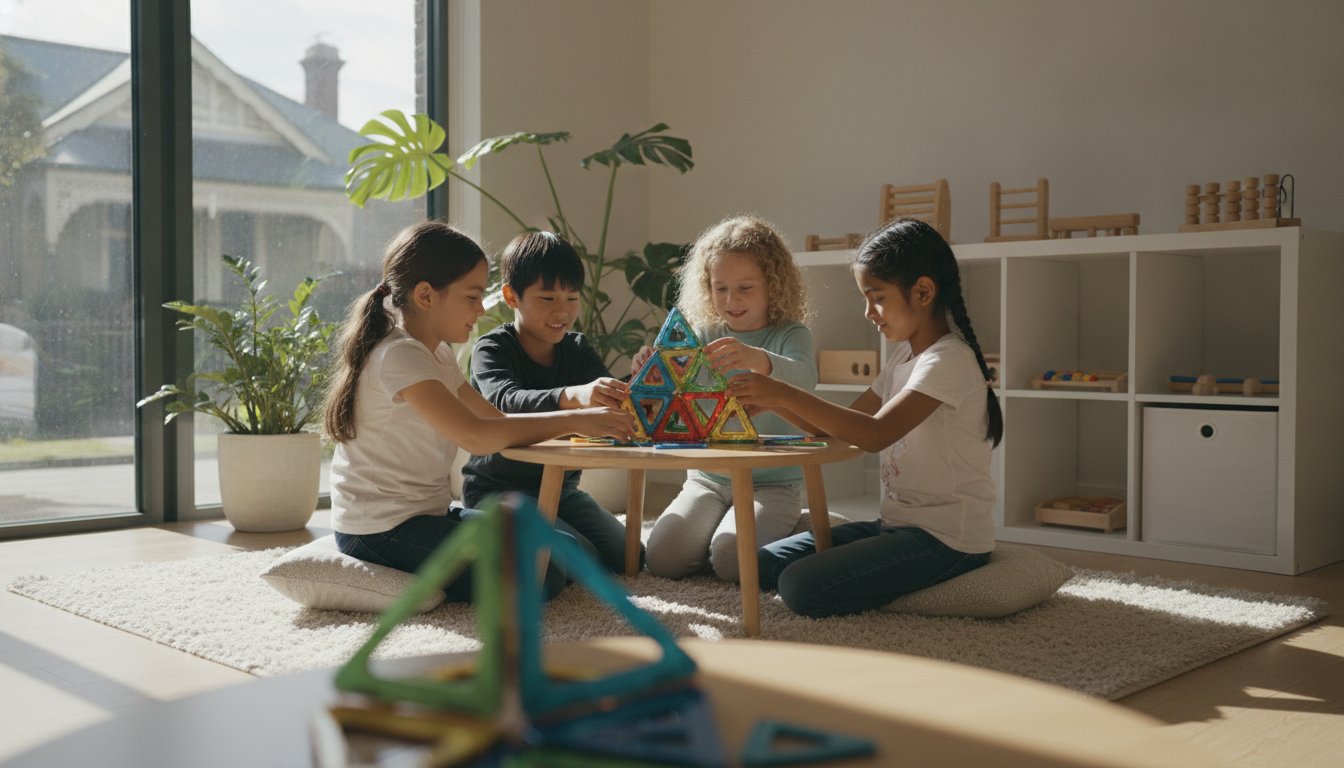
What if social connection wasn’t about teaching your child a rigid set of rules, but about creating a safe space where their natural personality can shine? It’s often painful to watch your child hover at the edge of a group, wanting to join in but fearing they don’t quite fit the mold. You want them to feel seen and valued for who they are, not for how well they can perform social scripts. Finding the right occupational therapy for social skills melbourne is a vital step in this journey, ensuring your child receives support that is both professional and deeply respectful of their unique way of being.
We understand that securing NDIS funding for group therapy can feel like a confusing hurdle when you’re already focused on your child’s wellbeing. This guide is here to simplify that process and show you how a multidisciplinary, neuro-affirming approach helps kids build genuine friendships and confidence. You’ll discover how we move beyond masking to foster real connection, the practicalities of using your NDIS plan, and how a supportive community can help your child thrive on their own terms.
Key Takeaways
- Learn how facilitated play environments help children build natural empathy and problem-solving skills without the pressure of rigid social rules.
- Discover the benefits of combining speech pathology with occupational therapy for social skills melbourne to support your child’s communication and sensory needs holistically.
- Understand the importance of neuro-affirming care and how it protects your child from the exhaustion of social masking by celebrating their authentic self.
- Gain clarity on navigating NDIS funding categories, including how to use Capacity Building and Core Supports for group therapy sessions.
- Explore how a dedicated team of experts can partner with your family to create a nurturing path toward genuine connection and lasting confidence.
Table of Contents
- What is a Social Skills Group for Kids and Why Does it Matter?
- The Multidisciplinary Advantage: Integrating Speech Pathology and OT
- Neuro-Affirming Support: Fostering Authenticity Over Social Masking
- Accessing NDIS Funding for Social Skills Groups in Melbourne
- Accessible Care: Your Compassionate Partner for Connection in Melbourne
What is a Social Skills Group for Kids and Why Does it Matter?
A social skills group is far more than a simple playdate. It is a thoughtfully facilitated environment where children can practice real-world interactions as they happen. In these sessions, kids don’t just talk about making friends; they actively engage in collaborative play and shared activities. This real-time practice allows them to build confidence, empathy, and problem-solving skills in a space designed for their success. To understand the groundwork of these interactions, it helps to explore what are social skills and how they influence a child’s ability to navigate the world around them.
Melbourne parents are increasingly moving away from clinical models that treat social differences as problems to be solved. There’s a beautiful shift toward neuro-affirming support that celebrates a child’s unique communication style. Instead of teaching kids to hide their traits or “mask” to fit in, these groups focus on authenticity. We believe that every child has a valid way of connecting with others. By focusing on strengths rather than deficits, we help children feel proud of who they are while they learn to navigate social landscapes with ease.
Beyond Friendships: The Long-term Benefits
The impact of a supportive group reaches well into a child’s daily life at school and home. When a child feels more secure in their ability to interact, playground anxiety often begins to lift. This newfound comfort can lead to better school engagement and a greater willingness to try new things. These groups also provide a vital foundation for self-advocacy. By learning how to express their needs and boundaries early on, children develop the emotional autonomy they’ll need as they grow into adulthood. It’s about creating a safe haven where they can be themselves without the weight of judgment.
Identifying if Your Child is Ready for Group Support
You might wonder if now is the right time to start. Many parents notice their child clearly wants to connect with peers but seems overwhelmed by the subtle “unwritten rules” of social play. For children with Autism or ADHD, social communication can sometimes feel like a complex puzzle that doesn’t quite fit together. Professional occupational therapy for social skills melbourne can help you determine if a group setting is the right next step. A therapist will look at your child’s current comfort level and sensory needs to ensure the group dynamic is a supportive match. This careful matching ensures your child feels empowered rather than pressured, allowing genuine connections to blossom naturally.
The Multidisciplinary Advantage: Integrating Speech Pathology and OT
Connecting with others isn’t just about what we say. It’s about how we feel in our bodies and how we process the world around us. This is why a multidisciplinary approach is so powerful for children. By integrating different clinical perspectives, we create a more holistic social experience. It’s a partnership between experts that ensures every aspect of your child’s development is supported with care and professional insight. When therapists work together, they see the whole child rather than just a single challenge.
At Accessible Care, our collaborative therapy happens within a supportive Melbourne community setting. We believe that professional support should feel like a partnership. Our team listens closely to your family’s goals to ensure our occupational therapy for social skills melbourne aligns with your child’s unique personality and strengths. This joined-up approach provides a sense of continuity that helps children feel safe and understood as they explore new ways of connecting.
The Role of Speech Therapy in Social Communication
Our speech pathology team focuses on the heartbeat of connection: communication. We help children navigate conversational turn-taking and understand social nuances through natural, play-based interactions. This support is especially vital for children living with an acquired brain injury or language delays. We don’t believe in forcing eye contact or memorising rigid scripts. Instead, we focus on functional communication that feels authentic. We want your child to find their own voice and feel confident using it in a group setting.
How Occupational Therapy Enhances Social Interaction
While communication flows, our occupational therapists look at the environment and the child’s internal state. Group settings can be loud, bright, or busy. We provide the tools to manage sensory triggers, helping children stay calm and regulated so they can enjoy the company of their peers. Through shared projects like building models or creating art, we strengthen fine motor skills and collaborative habits. If you’re curious about how these sessions build life skills, you can read more about what is occupational therapy and its role in fostering independence.
This combined expertise allows us to address the sensory, emotional, and communicative layers of socialising all at once. If you are looking for a team that prioritises your child’s comfort and autonomy, our multidisciplinary support services are designed to help your family find peace of mind and genuine progress.
Neuro-Affirming Support: Fostering Authenticity Over Social Masking
Neuro-affirming care is a commitment to honoring the way your child naturally thinks, moves, and communicates. It’s a shift away from the idea that there’s one “right” way to socialise. When we provide occupational therapy for social skills melbourne, we focus on creating an environment where your child feels safe being exactly who they are. Traditional approaches often prioritize “masking,” which is the act of suppressing one’s natural traits to appear more neurotypical. While this might look like success on the surface, it often leads to deep exhaustion, anxiety, and social burnout for the child.
We believe that true connection happens when a child isn’t worried about performing a role. By celebrating diverse social styles, we help kids build relationships based on mutual respect rather than compliance. This empowering approach ensures that every unique child has the space to shine, fostering a sense of belonging that is genuine and lasting. Our approach to occupational therapy for social skills melbourne prioritises the child’s perspective, ensuring that therapy feels like a safe partnership rather than a series of tasks. At Accessible Care, we create a sanctuary where children can explore their social world at their own pace, supported by practitioners who value their autonomy as much as you do.
What to Look for in a Neuro-Affirming Group
Choosing the right support means looking for facilitators who validate your child’s lived experience. A neuro-affirming group should offer:
- Facilitators who prioritize sensory comfort and emotional regulation over social performance.
- A focus on shared joy and genuine connection rather than a checklist of social rules.
- Activities led by the children’s interests to spark natural engagement and conversation.
- Validation of different communication styles, including non-verbal or AAC-supported interaction.
Building Confidence Through Shared Interests
When children are engaged in something they love, communication happens naturally. Whether it’s through creative arts, technology, or collaborative play, shared interests provide a bridge that makes socialising feel less daunting. This focus on a shared goal or project reduces the pressure of direct social performance. It takes the spotlight off the child’s “behaviour” and places it on the fun of the activity itself.
Encouraging autonomy within the group is a key part of our process. When children have a say in what they do and how they interact, they develop a sense of self-determination. This builds a foundation of long-term confidence. They learn that their voice matters and that they can navigate social spaces without losing their sense of self. It’s about giving them the tools to advocate for their own needs in the playground and beyond, ensuring they feel equipped to handle the world while remaining true to who they are.
Accessing NDIS Funding for Social Skills Groups in Melbourne
Securing the right funding for your child’s support should be a clear and supportive process. The NDIS provides several pathways to access group therapy, but knowing which budget to use is key. Most families find that occupational therapy for social skills melbourne is funded through the ‘Capacity Building – Improved Daily Living’ category. This part of the plan is specifically designed to help your child develop the functional skills they need for independence. In some cases, if the focus is on community access, funding may also be drawn from ‘Core Supports’.
At Accessible Care, we act as a bridge between your family and the NDIS system. As a registered provider, we stay informed about legislative changes, such as the National Disability Insurance Scheme Amendment Bill 2026. Our team is here to ensure that the administrative side of therapy feels light and manageable, allowing you to focus on your child’s growth and happiness. We work with you to ensure your plan reflects the genuine needs of your family, providing peace of mind through every step of the journey.
Step-by-Step: Getting Groups into Your Plan
Preparing for an NDIS review is the best time to advocate for group support. Start by obtaining a recommendation letter from your child’s therapist. This letter should clearly outline how a group setting will help meet your child’s specific social goals, such as building peer relationships or improving emotional regulation. It’s helpful to highlight the cost-effectiveness of group sessions. Because the hourly rate is shared among participants, groups often allow your child to access more hours of professional support than one-on-one sessions alone would provide. This makes your funding go further while offering the unique benefit of real-time peer interaction in a safe space.
Managing Your Funding: Self-Managed vs. NDIA-Managed
How you manage your plan changes how you interact with providers. If you’re self-managing, you have the flexibility to pay for groups directly and then claim the funds back through the NDIS portal. This gives you maximum choice over which practitioners you work with. If your plan is NDIA-managed, you must use a registered provider. The benefit here is that the provider handles the billing directly with the agency, reducing your paperwork and stress. For families with complex needs who require high intensity supports ndis, working with an experienced team ensures that every safety and clinical requirement is met with professional care.
If you’re ready to see how your current plan can support your child’s social journey, we invite you to contact our NDIS support team for a gentle conversation about your options.
Accessible Care: Your Compassionate Partner for Connection in Melbourne
Choosing the right support for your child is a deeply personal decision. At Accessible Care, we believe that therapy should feel like a warm, supportive partnership rather than a clinical process. Our commitment to expert-led paediatric care across Melbourne is built on a foundation of empathy and professional excellence. We understand that you aren’t just looking for a service; you’re looking for a community that values your child’s autonomy and celebrates their unique personality. Our multidisciplinary team of Speech Language Pathologists and Occupational Therapists works side-by-side to ensure every child feels seen, heard, and empowered.
When you begin your journey with us, the first step is a gentle intake assessment. This isn’t a formal test or a series of hurdles. Instead, it’s a collaborative conversation where we listen to your child’s story and your family’s goals. We take the time to understand your child’s specific interests and sensory preferences. This allows us to place them in a group where they’ll feel most comfortable. During the initial session, our focus is on building a sense of safety. We want every participant to feel that they can be their authentic selves from the very first moment they walk through our doors.
Our approach to occupational therapy for social skills melbourne is never one-size-fits-all. We tailor every group activity to the specific passions of the children involved. Whether your child loves creative arts, building complex structures, or exploring technology, we use those interests as a bridge to connection. By aligning therapy with what they already love, we reduce the pressure of “performing” socially. This makes the experience of occupational therapy for social skills melbourne something they genuinely look forward to each week.
A Community of Care in Victoria
We’re proud to offer community-based disability support throughout the Melbourne region and across Victoria. Our mission is to create a ripple effect of positive change that extends from our sessions into your daily life. We involve families at every stage of the therapeutic journey. By sharing strategies and insights, we help you support your child’s progress at home and in the classroom. We believe that attentive listening is a sacred promise. We’re here to walk alongside you, offering the expert guidance and emotional support your family deserves.
Take the Next Step for Your Child
If you’re ready to explore how a neuro-affirming social skills group can benefit your child, we’re here to help. Registering your interest is the first step toward finding a community where your child can thrive. You can book a consultation with our friendly team to discuss your child’s unique goals and how we can work within your NDIS plan requirements. We know that navigating these choices can feel overwhelming, so please reach out for a reassuring chat. We’re ready to listen and help you find the best path forward for your child’s confidence and connection.
Empowering Your Child’s Social Journey in Melbourne
Finding the right occupational therapy for social skills melbourne is about more than just building skills; it’s about finding a place where your child feels they truly belong. We’ve explored how a neuro-affirming approach protects your child’s authenticity while fostering genuine connection. By combining the expertise of speech pathologists and occupational therapists, your child receives holistic support that honors their unique sensory and communication needs. Navigating the complexities of NDIS funding doesn’t have to be a solo effort when you have a supportive partner by your side.
As a registered NDIS provider with an experienced multidisciplinary team, we are committed to providing a safe, empowering environment for every unique child. Our neuro-affirming approach ensures that your child is celebrated for exactly who they are while they gain the confidence to navigate their social world. You don’t have to navigate this path alone. Book a compassionate consultation for your child today to discuss how we can support your family’s goals. We look forward to listening to your story and helping your child shine with confidence.
Frequently Asked Questions
What age groups are social skills groups suitable for?
Our groups are designed for children across various developmental stages, typically ranging from early primary school through to late adolescence. We carefully group participants by age and shared interests to ensure everyone feels comfortable and supported. This thoughtful matching helps kids connect with peers who are at a similar stage in their social journey, fostering a sense of belonging and mutual understanding.
Can I use my child’s NDIS plan to pay for these groups?
Yes, you can certainly use your NDIS funding to pay for these sessions. Most families use the ‘Capacity Building – Improved Daily Living’ budget to access occupational therapy for social skills melbourne. If your child’s goals include community participation, you might also be able to use ‘Core Supports’. We’re here to help you check your plan to see which category fits your family’s needs best.
Does my child need a formal diagnosis, like Autism, to join a group?
A formal diagnosis is not a requirement for your child to join our community. We focus on your child’s unique functional goals and their desire to connect with others rather than a clinical label. Whether they have a diagnosis of Autism or ADHD, or simply need support with social confidence, our priority is providing a nurturing environment where they can grow at their own pace.
How many children are typically in a social skills group?
We keep our groups small, usually consisting of four to six children. This intimate size ensures that our therapists can provide attentive, individualised support to every participant. Small groups help reduce sensory overwhelm and create a safe space where children feel seen and heard. This environment allows them to practice interacting with their peers without feeling lost in a large crowd.
What happens if my child feels overwhelmed during a session?
If your child feels overwhelmed, our therapists are trained to provide immediate sensory and emotional support. We use gentle regulation strategies and provide quiet spaces where your child can take a break if they need to. Your child’s comfort and autonomy are always our first priority. We never pressure them to participate if they don’t feel ready, ensuring the experience remains positive.
How do you measure progress in a social skills group?
We measure progress through collaborative goal-setting and regular observational feedback. We look for meaningful changes in your child’s confidence, such as their ability to initiate play or advocate for their own needs. Our team also stays in close contact with families to hear about the positive shifts you’re seeing at home and school. This ensures our support remains aligned with your child’s real-world needs.
Are the groups led by qualified therapists?
Every group is led by qualified professionals, including registered Occupational Therapists and Speech Language Pathologists. Our team brings a wealth of expertise in neuro-affirming practice and paediatric development. This multidisciplinary leadership ensures that your child’s communication and sensory needs are supported by experts who genuinely care about their wellbeing. You can feel confident in the high standard of care your child receives.
How long does a typical social skills program run for?
Programs typically run for a school term, which is usually between eight and ten weeks. This timeframe allows children to build consistent relationships and feel secure in the group routine. We find that this rhythmic approach helps kids feel more relaxed and predictable. It gives them the space they need to develop genuine friendships and build their confidence at a pace that feels right for them.

