

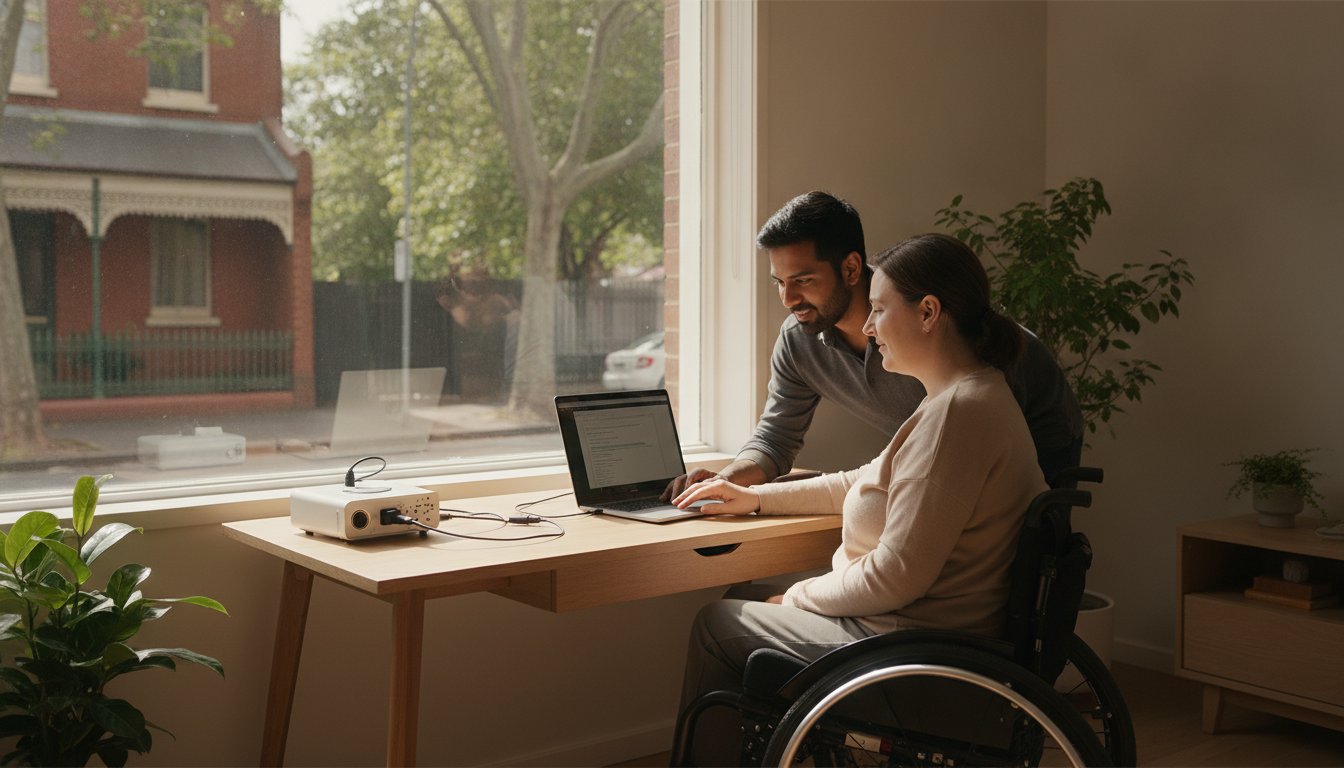
Imagine spending your entire Sunday afternoon explaining the nuances of your complex care routine to a new face, only to realize by Monday morning they still don’t quite grasp the essentials. It’s an exhausting cycle that many families and participants know all too well. You shouldn’t have to act as a full-time trainer just to receive the care you deserve. We agree that finding a support worker with specific skills shouldn’t feel like a second job. It’s about more than just filling a shift; it’s about finding a partner who understands your lived experience and the technical requirements of your daily life.
You deserve the peace of mind that comes with knowing your support team is competent, confident, and ready to help you thrive. This guide will show you exactly how to identify, vet, and secure specialized support that enhances your independence. We’ll walk through the latest 2026 NDIS registration standards, explain how to verify technical expertise, and provide a clear roadmap for building a reliable team that understands your unique needs from the very first visit.
Key Takeaways
- Understand why moving beyond general companionship to specialized, skill-based support is essential for your safety and long-term quality of life.
- Learn how to audit your NDIS plan to identify whether you require clinical, behavioral, communication, or social expertise.
- Discover the most effective strategies for finding a support worker with specific skills, including how to write targeted job descriptions that attract the right expertise.
- Compare the benefits of registered NDIS providers versus independent platforms when seeking high-intensity or complex care.
- Explore how a multidisciplinary approach—combining support work with occupational and speech therapy—can significantly accelerate your path to independence.
Table of Contents
Why Specific Skills Matter in Disability Support
Choosing the right person to enter your home and your life is a deeply personal decision. While many people think of disability support as simple companionship, the reality is often much more complex. There is a profound difference between having someone who is “just there” and finding a support worker with specific skills who can actively champion your goals. You deserve a partner in your care, not just a pair of hands to help with chores.
The Impact on Independence
True independence doesn’t mean doing everything alone. It means having the right tools and the right people to help you navigate the world on your own terms. A skilled worker doesn’t just do a task for you; they facilitate the learning of new daily living skills. This shift from “doing for” to “doing with” is where real growth happens. It encourages autonomy and builds your confidence over time.
For families, this professional expertise provides a vital reprieve. It’s common for family members to feel exhausted by the constant need to retrain new staff or oversee every minor detail. When you have a worker who truly understands your condition, the burden of care on your loved ones is significantly reduced. You can return to being a parent, a spouse, or a sibling, knowing that the specialized care is being handled by a competent professional who respects your self-determination.
Safety and Complex Care Needs
For many participants, the stakes are even higher. Those requiring high intensity supports NDIS need more than just kindness. They need clinical training in areas like enteral feeding, seizure management, or complex wound care. Under the new NDIS Practice Standards introduced in July 2026, providers must now demonstrate that workers are competent in specialized areas. Risk mitigation is a key part of finding a support worker with specific skills; when a staff member is properly trained, they can spot subtle changes in health before they become emergencies.
This consistency is especially important for complex medical conditions where even small deviations in care can lead to significant setbacks. Expert support provides the peace of mind that comes from knowing your safety is a priority. It allows you to focus on your well-being and your future, rather than worrying about whether your basic medical needs are being met correctly each day. It’s about creating a safe environment where you feel empowered to take risks and try new things.
Identifying the Exact Skills You Need
Finding a support worker with specific skills begins with a quiet reflection on your daily life. Your NDIS plan is more than just a funding document; it’s a map of your aspirations. Look closely at your goals. Do you want to join a local club? That might require social support expertise. Do you want to live more independently? That could mean you need someone skilled in teaching daily living tasks. By translating your goals into required actions, you can see exactly what kind of expertise your team needs.
Categorizing your needs helps clear the mental fog. Most requirements fall into four main areas: clinical, behavioral, communication, or social. By naming these needs, you can communicate them clearly to potential providers. You don’t have to do this alone. Your Occupational Therapist or Speech Pathologist can provide invaluable insights into the specific technical requirements your support staff should possess. They see the clinical side of your journey and can help bridge the gap between a goal and the practical skill needed to reach it.
Clinical and Physical Support Skills
If your care involves physical assistance, technical competence is your primary safeguard. You might need someone experienced in manual handling or the use of specific hoist transfers to ensure every movement is safe and comfortable. For many, medication administration or wound care is a daily reality that requires focused, verifiable training. In complex situations, the oversight and guidance provided by community nursing ensure that your support workers are following the safest clinical protocols at all times.
Communication and Behavioral Expertise
Communication is the heartbeat of autonomy. If you use Augmentative and Alternative Communication (AAC) devices or specific signs, you need a worker who is patient and trained in those exact strategies. Similarly, if your plan includes positive behaviour support, your worker must understand how to implement these strategies with empathy and consistency. Finding a support worker with specific skills also means looking for a personality match. A worker’s temperament should complement your own to build a lasting, trusting rapport that respects your personal space and preferences.
While technical skills are vital, never overlook the “soft” skills. Empathy, active listening, and a genuine respect for your choices are the qualities that turn a service into a partnership. These traits ensure that your dignity is always upheld, even during the most routine tasks. If you’re feeling unsure about how to categorize your needs, reaching out for personalized support planning can help you gain the clarity and confidence you need to move forward.
Comparing Your Options: Platforms vs. Registered Providers
Deciding where to look for your team is one of the most important steps in your NDIS journey. In the current landscape, you generally have two main paths: using independent contractor platforms or partnering with a registered NDIS provider. While both options offer access to care, they provide very different levels of security and administrative support. Your choice often depends on how much “behind-the-scenes” work you are willing to take on and how complex your specific needs are.
For those who are self-managed or plan-managed, the flexibility of independent platforms can be tempting. However, it’s vital to remember that when using these services, the responsibility for finding a support worker with specific skills rests almost entirely on your shoulders. You become the primary vetter, the manager, and the person responsible for ensuring care standards are met. If you are NDIA-managed, your choice is simpler; you must work with registered providers to ensure compliance with NDIS pricing and safety regulations.
The Self-Management Burden
Managing your own staff can feel like running a small business. Beyond the initial interviews, you must handle the administrative weight of payroll and compliance. As of July 2026, the compulsory superannuation contribution has increased to 12%, and the new “Payday Super” rule requires employers to pay super at the same time as wages. Keeping up with these shifting legal requirements can be exhausting when you are already managing a disability or supporting a loved one.
Reliability is another significant factor. If an independent worker is sick or takes a holiday, the search for a replacement starts all over again. This can lead to gaps in care that compromise your safety and routine. Without a larger organization to provide backup, you may find yourself back at square one, feeling the pressure of “retraining” someone new while your own needs remain unmet.
The Registered Provider Advantage
One of the greatest benefits is the access to a multidisciplinary team. At Accessible Care, our support workers don’t work in isolation. They have the support of clinical therapists and community nurses who provide ongoing guidance. This clinical oversight is crucial when finding a support worker with specific skills for high-intensity care. It means your worker receives continuous professional development and training tailored to your exact condition, ensuring your support is always evidence-based and deeply compassionate.
Vetting for Skills: How to Interview Your Support Worker
The interview is your opportunity to move beyond a resume and see the person behind the credentials. Finding a support worker with specific skills requires a structured approach that prioritizes your comfort and safety. Start by drafting a job description that is as detailed as possible. Instead of using generic terms, specify the exact tasks you need help with, such as “assistance with manual transfers using a ceiling hoist” or “support with social outings for a person with sensory sensitivities.” This clarity helps filter out candidates who don’t have the right background before you even meet.
A “meet and greet” is an essential part of the process. It’s a low-pressure way to see how a candidate interacts with you in your own environment. During this time, you can verify their practical experience. Ask to see their certifications, but also ask them to describe a time they successfully navigated a challenge similar to one you face. Checking references is equally important. When you call a previous employer, ask specifically about the worker’s performance in the areas that matter most to you, whether that’s punctuality or their ability to follow a complex mealtime management plan.
Technical Questions to Ask
When you’re interviewing for specialized roles, you need to go beyond “yes or no” questions. Ask for specific examples of how they’ve managed complex care scenarios in the past. For instance, if you require communication support, you might ask, “How do you ensure my voice is heard when we’re in a loud, crowded environment?” Scenario-based questions are particularly revealing. Ask something like, “What would you do if my communication device stopped working while we were out at the shops?” Their answer will show you their problem-solving skills and their ability to stay calm under pressure.
Assessing Compatibility and Values
Skills can be taught, but values are often deeply ingrained. You want someone who views themselves as a facilitator of your goals, not a director of your life. Ask questions that reveal their approach to autonomy, such as, “How do you handle a situation where you disagree with a choice I’ve made about my daily routine?” Look for a shared commitment to your long-term aspirations. To assess a worker’s listening skills, observe whether they give you their full attention and respond thoughtfully to your cues rather than rushing through a pre-planned list of questions.
If you’re ready to build a team that truly understands your needs, explore our NDIS support services to see how we match expertise with heart.
The Accessible Care Approach: Matching Expertise with Heart
We believe that finding a support worker with specific skills shouldn’t be a gamble or a source of stress. At Accessible Care, we take the guesswork out of the process by using clinical assessments to guide our selection. Our teams in Melbourne and Adelaide don’t just look for a match on paper. We look for a genuine connection that honors your autonomy and supports your self-determination. By prioritizing your perspective, we transform a transactional service into a supportive partnership.
Our specialized focus includes supporting participants with an acquired brain injury and other complex needs. These situations require more than basic assistance; they require a deep understanding of cognitive recovery and behavioral support. By integrating occupational therapy and speech pathology into our support model, we ensure that every worker is equipped with the right tools to help you succeed. This clinical foundation gives you the confidence that your care is safe, professional, and effective.
A Multidisciplinary Care Model
Having nursing and therapy support under one roof means your team communicates constantly. Your support worker isn’t just following a generic plan. Instead, they are being trained by your therapists to meet your specific needs. This synergy ensures consistency across all your NDIS services. When your worker understands the “why” behind a specific therapy exercise or communication strategy, they can help you implement it naturally throughout your day. It’s a holistic approach that places your goals at the center of everything we do.
This model also reduces the “retraining” exhaustion mentioned earlier. Because our therapists and nurses provide direct oversight, the burden of teaching new staff doesn’t fall on you or your family. We handle the professional development and skill-specific training. This ensures that every member of your team is competent in high-intensity care and positive behavior support from their very first shift.
Starting Your Journey with Us
Our intake process is designed to be calm and methodical. We begin by listening to your story and understanding your unique skill requirements. We don’t just ask about your medical needs; we ask about your life, your hobbies, and what makes you feel comfortable. This helps us create a profile for finding a support worker with specific skills who also matches your personality and temperament. Once we identify a potential match, we facilitate a gentle introduction to ensure you feel completely at ease before regular support begins.
You deserve a team that sees your potential and respects your journey. We are here to help you navigate the complexities of the NDIS with clarity and compassion. If you’re ready to experience support that truly understands you, speak with our friendly team about finding your ideal support worker today. We look forward to listening to your needs and helping you achieve your objectives with confidence.
Empowering Your Independence Through Expert Support
You now have the tools to move away from the frustration of generic care and toward the confidence of a specialized team. By clearly identifying your clinical or behavioral needs and asking the right technical questions during interviews, you’re taking control of your well-being. Finding a support worker with specific skills is about more than just checking boxes; it’s about building a relationship based on trust, competence, and a shared vision for your future.
As a registered NDIS provider, Accessible Care is dedicated to providing specialized complex care support that honors your unique journey. Our experienced multidisciplinary team works tirelessly to ensure every worker we introduce is vetted, trained, and ready to champion your goals. You don’t have to navigate this process alone. We’re here to listen, to support, and to help you thrive on your own terms.
Find a support worker who truly understands your needs
The right support can change everything. Take that first step today and discover the peace of mind that comes with expert, compassionate care.

