

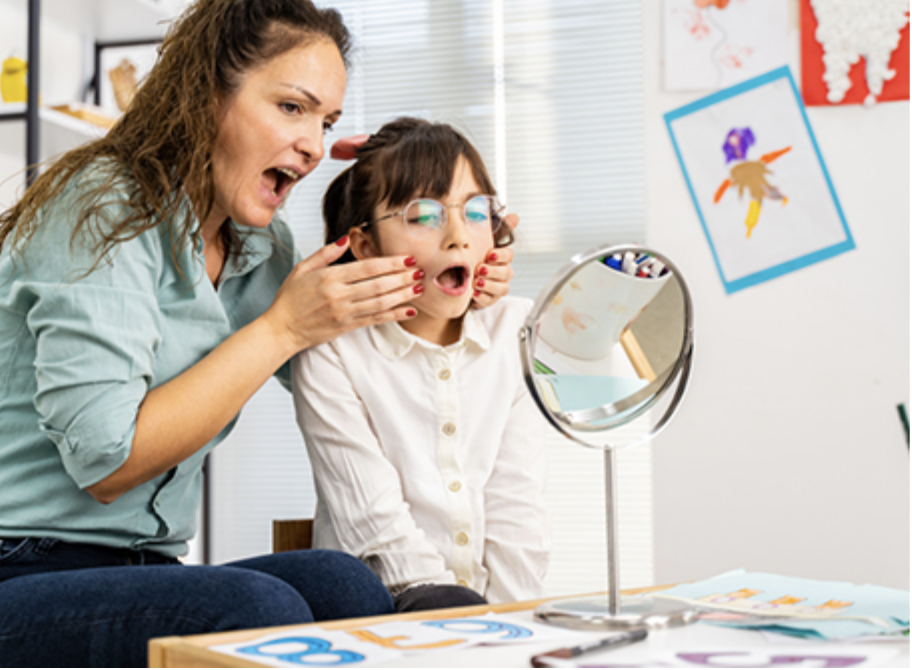
There are many causes of acquired neurological disorders, which can result in communication, cognitive, and language impairments.
Damage to the brain may be due to:
- Stroke
- Traumatic brain injury (TBI) — often caused by falls, accidents, or head trauma
- Progressive neurological diseases such as Parkinson’s disease, dementia, motor neurone disease (MND), multiple sclerosis (MS), or Huntington’s disease
- Other causes, such as brain tumours, head and neck cancer, or surgery
Symptoms that you may notice:
- Difficulty understanding what people are saying
- Difficulty understanding when reading
- Difficulty finding the right words or any words at all
- People have difficulty understanding what you are saying as speech may not be clear or understandable (slurred)
- Problems with concentration, memory, planning, thinking, problem solving, reasoning
- Changes in voice or fluency of speech
At Accessible Care, we have a team of highly experienced speech pathologists, each with over 10 years of clinical experience.
We offer tailored assessments to identify the areas requiring intervention. Based on your needs, the different environments in which you communicate, who you communicate with, and an understanding of your life and communication before the disorder, we can provide speech therapy rehabilitation that improves your communication-related quality of life.
Our approaches to rehabilitation are evidence-based and focused on achieving outcomes that matter to you.
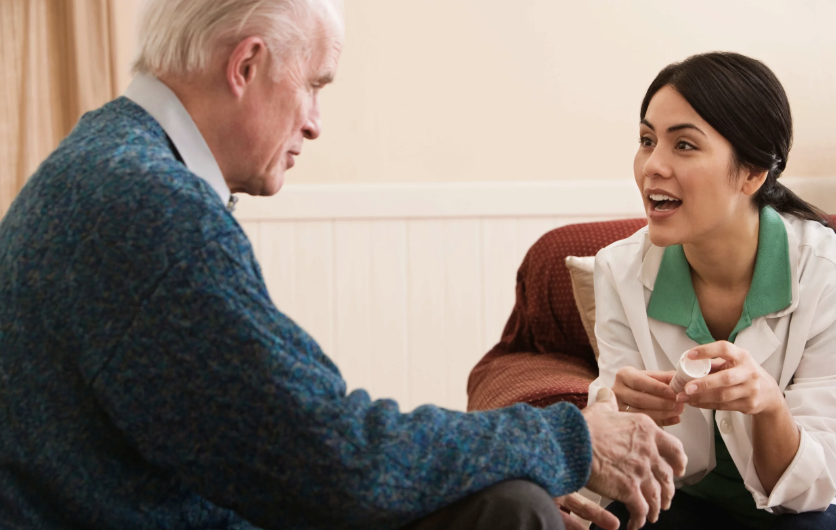
The Goal of Rehabilitation: Functional Participation
The goal of rehabilitation is not just recovery, but functional participation. Speech therapy helps individuals resume meaningful communication with their family and re-engage with their community. This may be by targeting their communication directly or by use of alternate communication through assistive technology or a combination of both where a device/assistive technology can augment/support their verbal communication. .
We offer the following supports
- One-to-One: Patient focused
We offer 1:1 speech intervention to directly target the impairments that we identify in our assessment and which the client identifies as a priority. Patient-centered rehabilitation is our focus.
Speech therapy rehabilitation can occur across different recovery stages:
- Acute phase: immediately following the neurological event. The focus is on medical stability and initial assessment.
- Post-acute phase: During this phase, the most spontaneous recovery occurs and the goal is to restore speech and language abilities as much as possible to what it was before the neurological event.
- Chronic phase: Speech therapy focuses on long-term adaptation, compensation, and community integration. We support clients to adapt to permanent changes, use compensatory strategies, and reintegrate into their community and work life.
- Supporting the Communication Partner
Neurological injuries affect not only the individual but also their family and carers. A core part of speech therapy involves training communication partners. Families learn strategies such as speaking slowly, asking clear questions, reducing background noise, and allowing the client time to respond. These techniques reduce frustration and foster more effective and supportive interactions at home.
- Group therapy and Support Group Sessions
People do not exist by themselves. Speech therapy rehabilitation may start out 1:1 but we understand that communication happens with many people outside of the clinic setting. Learning from other individuals who are at different stages of their recovery journey is useful. Group therapy allows clients the opportunity to learn from each other, gain confidence and see the light at the end of the tunnel. It allows opportunities to practice strategies in a safe space.
Support groups provide a way for clients to talk to each other, gain information, and learn about things that they may otherwise not know that can help them on their journey of recovery. Our team of speech therapists facilitate support groups understanding that you and your loved ones have the voices that matter and with professional guidance we try to reduce potential caregiver stress and burnout as you deal with the acquired and new communication challenges.
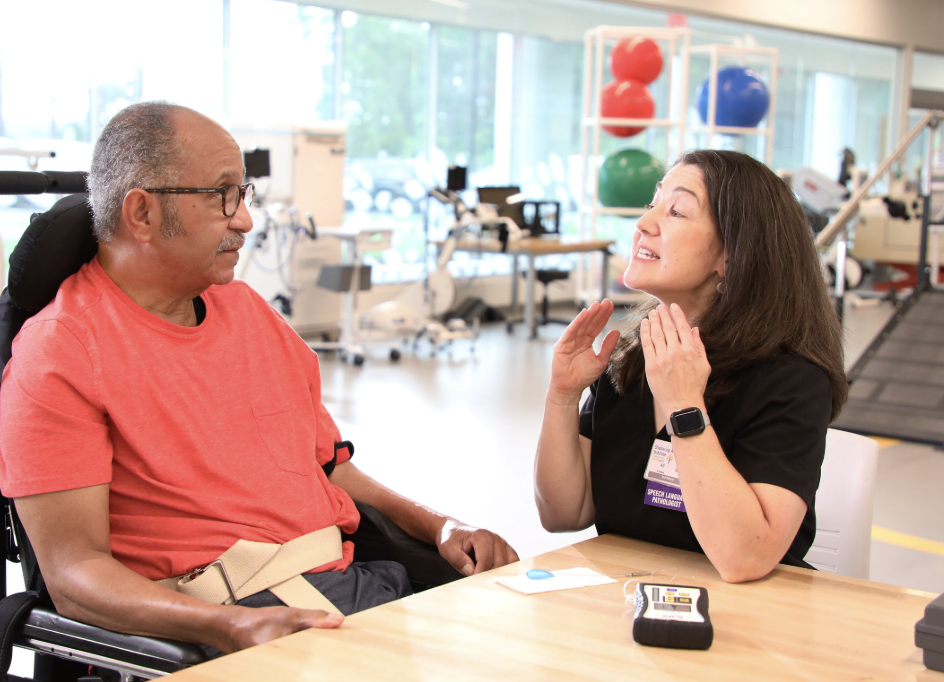
Types of Services Accessible Care Offers:
Traveling to a clinic can be exhausting for adults recovering from neurological injuries. We offer flexible options to bring therapy directly to the client.
Mobile In-Home Therapy
Therapy at home allows sessions to be immediately functional. Clients can practice real-life skills in their own kitchen, living room, or local environment, including managing social interactions, ordering food, or communicating with visiting healthcare providers.
Telehealth Sessions
Telehealth provides convenient, secure access to specialized neuro-rehabilitation. Clients can participate in therapy for their impairment by participating in assessments and rehabilitation from home which travel, fatigue, and disruption to daily life.
Rehabilitation Support within the Employment Context or other Social Contexts
We provide strategies for both clients and their communication partners across various environments.
Therapy is tailored to align communication, language, and cognitive strategies with the demands of work, social, and community settings. We recognise the importance of reintegration into previous life roles—and aim to achieve this in ways that are practical, meaningful, and sustainable for both clients and their families.

Ready to start your recovery journey?
Contact an experienced speech therapist at Accessible Care today for a comprehensive assessment and a personalised therapy plan tailored to your needs.

