

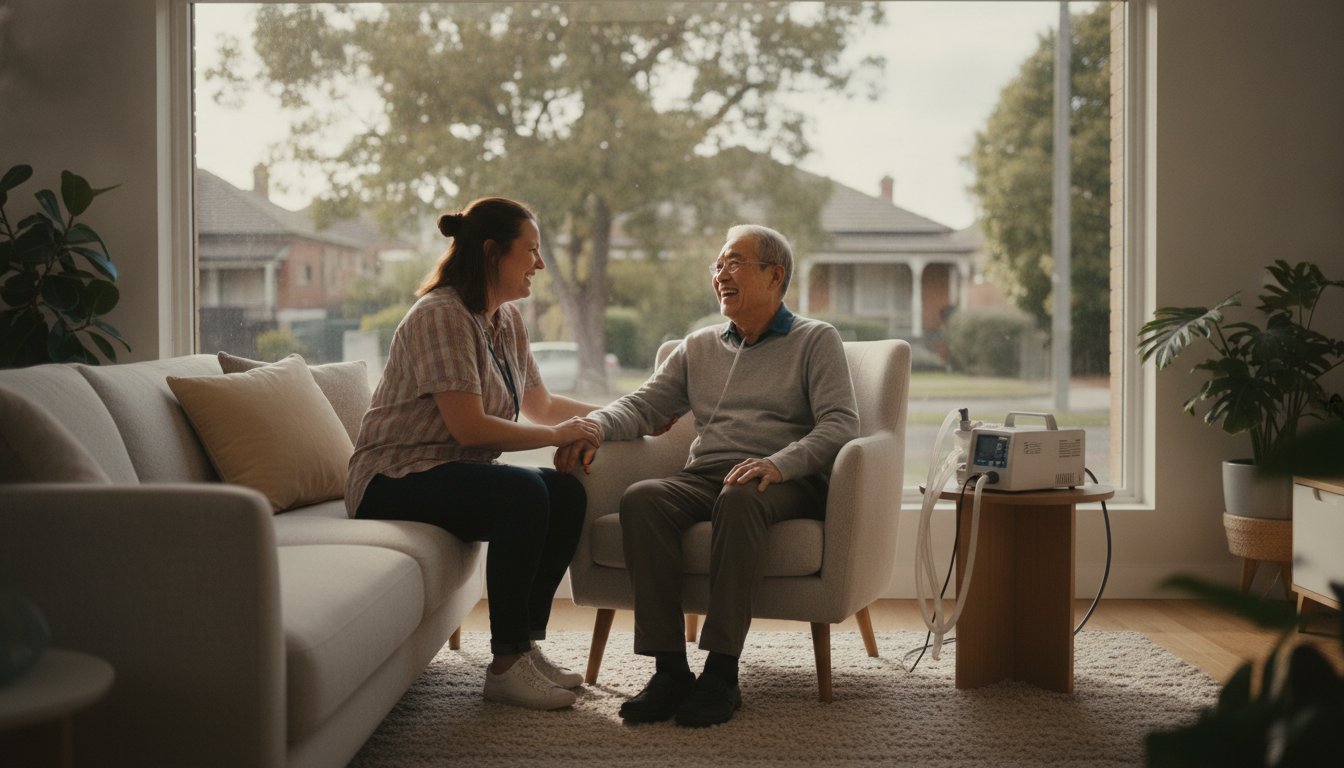
What if your living room could feel like a sanctuary again, rather than a clinical extension of a hospital ward? We understand that the transition to tracheostomy care at home ndis often comes with a heavy weight of responsibility. It’s common to feel a sense of fear regarding emergency complications or to worry that your home’s warmth will be replaced by sterile routines. You want to ensure your airway is managed with absolute safety, but you also want to be able to talk with your family and enjoy a meal without the constant reminder of medical equipment.
We agree that your health needs should support your life, not consume it. You’ve worked hard to return to the comfort of your own space, and you deserve a support system that honors your autonomy. In this guide, you’ll learn how to manage tracheostomy care at home with NDIS funding while maintaining your independence and a high quality of life. We’ll walk through the essentials of high intensity supports, from safe airway management and speech therapy to the practical steps of transitioning from hospital to home. By focusing on a holistic approach that includes nursing and occupational therapy, you can move beyond clinical necessity and start focusing on your personal goals again.
Key Takeaways
- Understand why the NDIS classifies this support as a “High Intensity Daily Personal Activity” and what that means for your level of care.
- Learn the essential daily routines for safe airway management and infection control to prevent complications and skin breakdown.
- Discover how a multidisciplinary team can help you regain your voice and independence through tracheostomy care at home ndis.
- Navigate the complexities of NDIS funding categories to ensure your plan includes the necessary nursing and therapy supports.
- Explore how a person-centric approach focuses on your quality of life and family connection rather than just clinical tasks.
Table of Contents
What is NDIS Tracheostomy Care at Home?
When we talk about tracheostomy care at home ndis, we’re referring to the specialized, compassionate support provided to people who have a stoma and a breathing tube. For many, understanding What is a Tracheostomy? is the first step in realizing that while the medical side is complex, the goal is simple: to live safely and comfortably in your own space. This support involves everything from suctioning and tube changes to skin care, ensuring that your airway remains clear and your health stays stable.
Within the NDIS framework, this type of assistance is classified as a “High Intensity Daily Personal Activity.” This isn’t just a label; it’s a recognition that your care requires a higher level of expertise and precision. Whether you’re based in Melbourne or Adelaide, the primary objective is to move away from the clinical feel of a hospital and back into the rhythm of your own life. To make this possible, a Registered Nurse (RN) oversees the clinical governance, providing the professional oversight needed to ensure every part of your care plan is followed perfectly.
The Role of High Intensity Supports
Tracheostomy care isn’t a “one size fits all” service. Because it involves life-sustaining equipment and airway management, the NDIS requires providers to meet specific skill descriptors and training standards. We don’t just provide a worker; we provide a tailored clinical care plan designed specifically for your unique needs. In more complex respiratory cases, this might include 24/7 monitoring to ensure that help is always at hand if an emergency arises. It’s about creating a safety net that lets you breathe easier, knowing you’re in capable hands.
Why Home-Based Care is the Preferred Choice
Hospitals are for healing, but home is for living. The restrictive nature of a ward can often feel isolating, whereas being at home allows you to remain connected to your family and your community. This connection is vital for your emotional well-being and long-term recovery. At Accessible Care, our philosophy is built on autonomy and self-direction. We believe that having a tracheostomy shouldn’t mean losing your voice or your choice. Home care supports your right to lead your own life, surrounded by the people and things you love, while receiving the high-level medical support you need to stay safe.
Essential Components of Safe Airway Management
Ensuring safety is about more than just monitoring equipment; it’s about the daily commitment to precise, empathetic care. When managing tracheostomy care at home ndis, the technical tasks are the foundation of a stable and comfortable life. These tasks involve a careful balance of clinical expertise and a gentle touch to ensure the airway remains functional. Healthdirect Australia provides an excellent overview of the Essential Components of Safe Airway Management, which serves as a vital resource for understanding the risks and requirements of post-operative care.
Infection control is a primary priority. The area around the stoma site is delicate and requires frequent attention to prevent skin breakdown or irritation. By keeping the site clean and dry, we reduce the risk of complications that could lead to hospital readmission. Humidification also plays a critical role in this process. Since a tracheostomy bypasses the nose and mouth, the air entering the lungs isn’t naturally warmed or moistened. Without proper humidification, secretions can become thick and difficult to clear, leading to respiratory distress. Our team also provides oversight for complex equipment, including ventilators, ensuring that every machine is functioning exactly as intended to support your breathing.
Daily Maintenance and Suctioning
The process of suctioning must be handled with extreme care. We use sterile techniques to gently remove secretions that you might not be able to clear on your own. This isn’t just a clinical task; it’s about providing immediate relief and comfort. Routine cleaning and replacement of the inner cannula are also essential. These schedules are strictly followed to prevent any buildup that might obstruct the airway. Our staff are highly trained to recognize the earliest signs of a partial obstruction, allowing for quick intervention before a situation becomes urgent.
Emergency Planning and Risk Mitigation
Preparation is the key to confidence at home. Every client we support has a dedicated “Go-Bag” ready at all times. This bag contains everything needed for emergency tube changes, including spare tubes of different sizes and portable suction units. At Accessible Care, we develop specific emergency protocols tailored to your home environment and unique health profile. We also believe in empowering your inner circle; we provide training to family members so they feel capable and calm in any situation. If you’re looking for a team that prioritizes this level of detailed safety, you can learn more about our NDIS support services and how we can help you feel secure in your own home.
The Multidisciplinary Advantage: Speech and Occupational Therapy
While clinical safety is the foundation of your support, it’s only one piece of the puzzle for a truly fulfilling life. Effective tracheostomy care at home ndis involves more than just monitoring equipment; it’s about helping you find your voice and regain your independence. A multidisciplinary team ensures that your care isn’t just about survival, but about thriving in your own community. This holistic approach bridges the gap between medical stability and personal autonomy, allowing you to focus on being a family member rather than a patient.
We believe that every individual deserves the chance to communicate and engage with the world on their own terms. By integrating various therapies into your daily routine, we can address the emotional and social challenges that often accompany complex respiratory needs. This collaborative model of care provides a roadmap for you to rediscover your strengths and reach your personal goals. Comprehensive resources on Tracheostomy Care at Home often highlight that these lifestyle adjustments are just as important as the clinical tasks themselves.
Restoring Communication and Swallowing
Being unable to speak or eat as you once did can be one of the most challenging aspects of a tracheostomy. Our Speech Pathology team plays a vital role in helping you overcome these hurdles. They work closely with you to introduce speaking valves, such as the Passy Muir valve, which redirects airflow to allow verbal communication. This transition is life-changing, as it allows you to express your needs and share stories with your loved ones again. Beyond speech, our therapists conduct thorough swallowing assessments to manage the risk of aspiration pneumonia. Speech Pathologists provide the essential guidance and specialized exercises needed for you to transition back to oral eating safely and confidently.
Adapting Daily Life for Independence
Living with a tracheostomy requires changes to how you move through your home and interact with the world. This is where Occupational Therapy becomes indispensable. An OT looks at your life through a lens of possibility, finding ways to adapt your environment so that your equipment doesn’t hold you back. They might suggest home modifications to ensure your suction units and ventilators are always accessible yet integrated into your living space. For those with compromised respiratory function, energy conservation techniques are a game-changer. These strategies help you manage your daily tasks without becoming overwhelmed by fatigue. Whether it’s learning how to manage your equipment during a trip to the park or organizing your home for easier access, the goal is to ensure you remain the lead architect of your own life.
Navigating NDIS Funding for Complex Respiratory Needs
Securing the right financial support is a vital step in making your return home a reality. When you’re arranging tracheostomy care at home ndis, your funding will typically be drawn from two primary budget categories. Core Supports usually cover the daily presence of skilled nurses or support workers who manage your airway and equipment. Capacity Building is equally important, as it funds the specialized therapists who help you regain your voice and independence. Understanding these categories helps you ensure that every aspect of your well-being is covered by your plan.
A central piece of this process is the Functional Capacity Assessment. This assessment acts as a bridge between your medical needs and the support you receive. It provides the NDIA with a clear picture of how your respiratory condition affects your daily life and why specialized care is a “reasonable and necessary” requirement for your safety. If your health needs increase, preparing for a plan review with fresh evidence from your clinical team is the best way to maintain a high standard of care. We believe that your funding should always reflect the reality of your life.
It’s also helpful to distinguish between standard support and high intensity nursing. Tracheostomy management involves a level of clinical risk that standard support work isn’t designed to handle. High intensity rates reflect the specialized training and clinical governance required to keep you safe. This ensures that the people entering your home have the expertise to manage emergencies and complex machinery with absolute confidence. If you’re feeling overwhelmed by these details, you can reach out to our team for a compassionate discussion about your specific funding needs.
Securing the Right Funding Level
To get the funding you need, the NDIA requires strong evidence from your specialists and doctors. Reports from respiratory physicians are essential to justify the level of skill required for your care. If you have high-risk clinical needs, advocating for 24/7 care is often necessary to ensure a trained professional is always present. We guide you through the specific “High Intensity Daily Personal Activities” funding codes to ensure your plan is accurate and sustainable. It’s about building a support system that gives you and your family total peace of mind.
Melbourne and Adelaide Regional Support
For participants in Victoria and South Australia, local expertise makes a world of difference. We coordinate closely with hospitals in Melbourne and Adelaide to ensure your transition from a ward to your home is seamless and safe. This involves pre-discharge planning and making sure all your equipment is set up before you walk through your front door. By choosing a registered provider for High Intensity Supports NDIS, you’re ensuring that your care meets the strict NDIS Practice Standards for complex support. We understand the local healthcare landscape and are here to help you navigate it with ease.
Why Choose Accessible Care for Tracheostomy Support?
Choosing the right partner for tracheostomy care at home ndis is a deeply personal decision. We understand that you aren’t just looking for clinical expertise; you’re looking for a team that respects the sanctity of your home. At Accessible Care, our commitment to person-centric support means we prioritize your values and lifestyle alongside your medical needs. We don’t just see a patient; we see an individual with a unique story and a family that deserves peace of mind. Our approach bridges the gap between high-level clinical excellence and the simple, essential comfort of being in your own space. For those who want to explore different models of specialized care, you can find out more about Home Health Care Services through the Educational Center for the Disables.
Our team of Registered Nurses and multidisciplinary therapists works in harmony to ensure your care is seamless. We believe that attentive listening is the foundation of a successful partnership. By truly hearing your concerns and objectives, we can tailor our support to help you achieve the autonomy you deserve. Whether it’s managing complex respiratory equipment or helping you find your voice again, we’re here to facilitate your goals rather than direct your life. This balance of professional competence and nurturing care is what makes our support feel like a genuine partnership.
A Partnership Built on Trust
We know that welcoming support workers into your home can feel overwhelming at first. To minimize the feeling of “strangers in the house,” we take great care in matching our staff with your family dynamic. We prioritize continuity of care, so you can build lasting relationships with the people who support you every day. This consistency is vital for building the trust necessary for high intensity care. Every member of our team operates under the Accessible Care promise of honor, autonomy, and self-determination. We respect your right to lead your own life, and we’re here to provide the steady, reliable support that makes it possible.
Getting Started with Your Care Team
Starting your journey with us is a simple, methodical process designed to put you at ease. It begins with an initial intake where we listen to your needs and answer your questions. This is followed by a comprehensive clinical assessment to ensure every technical detail of your tracheostomy care at home ndis is planned with precision. We have teams available across Melbourne and Adelaide, ready to provide the immediate support you need for a safe transition from hospital to home. You don’t have to navigate these complex requirements alone. We’re here to guide you every step of the way, ensuring your safety and comfort remain our top priorities. Contact us today for a compassionate consultation on your complex care needs and let us help you maintain the high quality of life you deserve.
Embracing a Future of Independence and Safety at Home
Reclaiming your home from a clinical environment is a journey we’re honored to walk with you. We’ve explored how tracheostomy care at home ndis provides the essential safety net of high intensity nursing while always prioritizing your personal goals and family connection. By integrating specialized speech and occupational therapy, you can move beyond simple airway management to rediscover your voice and your daily rhythms. It’s about finding a balance where your medical needs are met without ever overshadowing the warmth of your home life.
As a Registered NDIS Provider in VIC and SA, our multidisciplinary team of Registered Nurses, SLPs, and OTs is dedicated to your autonomy. Every staff member undergoes specialized High Intensity Support training to ensure your clinical needs are met with absolute precision and empathy. We focus on attentive listening to ensure your support plan reflects your unique family dynamic and long-term aspirations. Book a Compassionate Consultation for Tracheostomy Care and take the first step toward a safer, more connected life at home. We’re here to listen, support, and help you breathe easier every day.
Frequently Asked Questions
Can I get 24/7 tracheostomy care funded by the NDIS?
Yes, the NDIS can provide funding for 24/7 support if it’s determined to be reasonable and necessary for your clinical safety. This level of care is often essential for participants with high-risk respiratory needs who require constant monitoring of their airway and equipment. We help you gather the specialist evidence needed to advocate for this continuous support, ensuring you’re never without professional assistance in your own home.
Do I need a Registered Nurse for tracheostomy suctioning at home?
You don’t always need a Registered Nurse for every suctioning task, but an RN must oversee the clinical governance of your care. Trained support workers can perform routine suctioning once they’ve been specifically trained and assessed as competent by a nurse. This ensures that your daily needs are met by a familiar team while maintaining the highest standards of safety for your tracheostomy care at home ndis.
What happens if the tracheostomy tube accidentally comes out?
If a tracheostomy tube accidentally comes out, it’s a medical emergency that requires immediate action according to your specific emergency plan. You should follow the protocol developed by your clinical team, which typically includes using your “Go-Bag” for an emergency tube change and calling 000. Our staff are trained to act quickly and calmly in these situations to ensure your airway is secured and further medical help is reached.
How does a tracheostomy affect my ability to speak or eat?
A tracheostomy can change how you speak and swallow, but our multidisciplinary team is here to help you regain these vital functions. Our Speech Pathologists work with you to introduce speaking valves that redirect airflow, allowing you to communicate verbally with your family again. We also conduct thorough swallowing assessments to ensure you can transition back to oral eating safely, focusing on your comfort and long-term well-being.
Is tracheostomy care considered a “High Intensity Support” by the NDIS?
Yes, tracheostomy care is explicitly classified as a “High Intensity Daily Personal Activity” within the NDIS framework. This classification recognizes the specialized skills and professional training required to manage complex respiratory needs safely. Because it’s a high intensity support, the NDIS provides specific funding codes that allow for the involvement of skilled professionals who meet the strict NDIS Practice Standards for complex clinical care.
Can Accessible Care help if I also use a ventilator?
Accessible Care provides comprehensive support for participants who use ventilators alongside their tracheostomy. Our Registered Nurses have the expertise to monitor ventilator settings and troubleshoot equipment as part of your broader clinical care plan. We coordinate closely with your respiratory specialists to ensure your home environment is equipped to handle these complex needs, allowing you to live safely and comfortably outside of a hospital ward.
How do we prepare our home for a family member returning with a tracheostomy?
Preparing your home involves organizing space for medical equipment and ensuring a reliable power supply for essential devices. Our Occupational Therapists can guide you through necessary home modifications and help you set up an accessible environment for both the participant and the care team. It’s also important to have a designated area for sterile supplies and a clear plan for emergency access, ensuring your home remains a comfortable sanctuary.
What training do Accessible Care staff receive for airway management?
All staff involved in tracheostomy care at home ndis receive specialized high intensity support training tailored to your unique needs. This includes hands-on education in airway management, infection control, and emergency response protocols. Before providing care, our support workers must be assessed and signed off by a Registered Nurse to ensure they’re fully competent in your specific clinical routines and safety requirements.

