

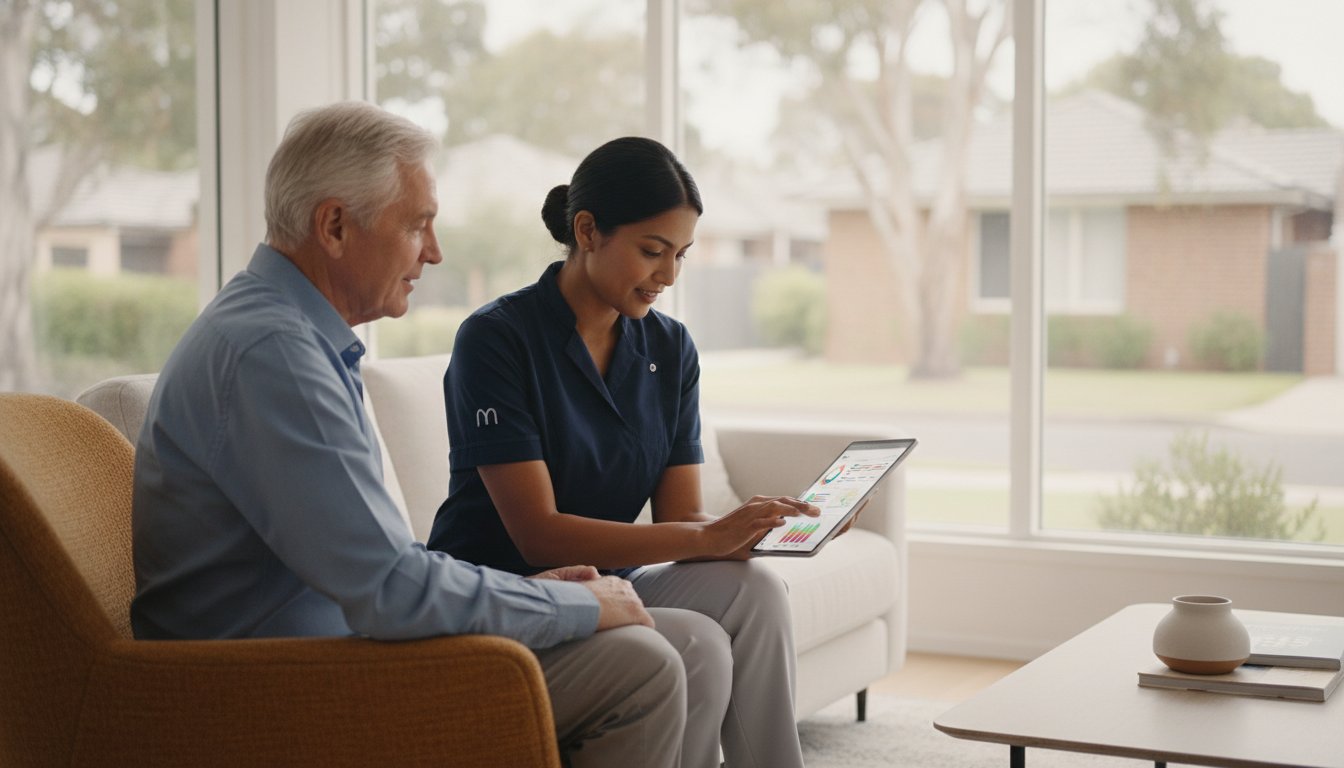
What if your home could remain a sanctuary of comfort while still providing the high-level clinical care your health requires? For many people, the thought of needing specialized ndis community nursing adelaide feels like a potential loss of freedom, but it doesn’t have to be that way. You likely feel that your dignity and independence are just as important as your medical charts. It’s completely normal to worry about being treated like a clinical label rather than a person, especially when you’re navigating the complexities of funding and home-based care.
Finding the right support is about more than just checking boxes on a care plan. It’s about finding a partner who listens to your goals and respects your space. This guide will show you how expert nursing support can bridge the gap between clinical necessity and the lifestyle you choose to lead. We’ll explore the latest 2026 service standards, clarify how your funding works for various nursing levels, and help you find a registered provider that honors your autonomy. You deserve a care plan that prioritizes your voice, ensuring you feel safe, supported, and truly at home.
Key Takeaways
- Understand how clinical healthcare can be delivered in your own home, preserving your privacy and daily routines while managing complex conditions.
- Identify the specific high intensity daily personal activities and medical supports covered under your plan to ensure every clinical need is met.
- Learn how a multidisciplinary approach involving nurses and therapists can improve your health outcomes and support your long-term independence.
- Navigate the NDIS funding process with confidence by learning what evidence is required to justify ndis community nursing adelaide as a reasonable and necessary support.
- Discover how a nurse-led model of care prioritizes your dignity and autonomy, helping you live a fulfilling life on your own terms.
Table of Contents
What is NDIS Community Nursing in Adelaide?
Imagine receiving the highest standard of medical care without ever having to leave the place where you feel most comfortable. For many living with complex health needs, ndis community nursing adelaide offers exactly that. It’s a specialized form of clinical support delivered by qualified nurses directly in your own home. This service, funded through the National Disability Insurance Scheme (NDIS), ensures that your medical requirements don’t stand in the way of your lifestyle.
The primary goal of this support is to help you maintain your health and prevent unnecessary hospital stays. By managing chronic conditions or complex disabilities in a familiar environment, you can focus on your recovery and daily goals. NDIS community nursing is a person-centric clinical service that empowers participants to live safely in their community. It’s about more than just medical tasks; it’s about providing the peace of mind that comes with professional oversight and compassionate care.
The Difference Between Nursing and Standard Support Work
It’s common to feel a little confused about the different types of support available. While standard support work is wonderful for helping with social outings, cleaning, or personal care, it doesn’t cover clinical medical needs. Community nursing involves technical health tasks that require the expertise of a Registered Nurse (RN) or an Enrolled Nurse working under supervision. Understanding these differences is a vital part of your NDIS planning process. Here are a few things that set nursing apart:
- Clinical Oversight: Nurses can perform complex wound care, manage medication via injections, or oversee catheter care.
- Health Monitoring: Regular assessments of vital signs and symptoms to catch potential issues early.
- Specialized Training: Nurses bring years of medical education to ensure high intensity daily activities are performed safely.
Why Adelaide Participants Choose In-Home Nursing
Core Services: From Wound Care to High Intensity Supports
Every health journey is unique. Because of this, ndis community nursing adelaide is never a one size fits all solution. Instead, it’s a flexible range of clinical supports designed to meet your specific medical needs while honoring your lifestyle. These services are often delivered by skilled support staff who work under the careful “delegation of care” from a Registered Nurse. This model ensures you receive daily assistance from familiar faces while maintaining the highest level of clinical safety and professional oversight.
Many of these essential services are classified as High Intensity Daily Personal Activities, or HIDPAs. These supports are closely regulated by the NDIS Quality and Safeguards Commission to ensure every participant receives safe, high quality care. HIDPAs are clinical tasks that require specialized training and strict safety protocols. By following these rigorous standards, your care team can manage complex health risks effectively within the comfort of your own home.
Clinical Nursing Interventions
Clinical nursing focuses on managing medical conditions that require professional expertise to prevent complications. These interventions are about more than just physical health; they provide the peace of mind you need to live with confidence. Common services include:
- Complex Wound Management: Professional care for surgical wounds, chronic ulcers, or pressure sores. This attentive care is vital for preventing infections and promoting faster healing.
- Medication Management: Assistance with complex regimes, including subcutaneous injections. Nurses ensure your medications are administered safely and on time.
- Urinary Catheter Care: Managing indwelling or suprapubic catheters with a focus on hygiene and function. This support helps you stay comfortable and reduces the risk of urinary tract infections.
Specialized High Intensity Supports (HIDPAs)
For participants with more significant medical requirements, high intensity supports provide the technical expertise needed for daily life. You can explore the full high intensity supports NDIS framework to see how these services are structured. These supports often include:
- Complex Bowel Care: Supporting those with conditions that require invasive interventions. Our team prioritizes your dignity and comfort at every step.
- Enteral Feeding (PEG/NG): Providing nutrition and hydration through feeding tubes. We ensure the equipment is managed correctly and your nutritional goals are met.
- Tracheostomy Management: Specialized respiratory care for participants who use breathing supports. This requires constant vigilance and technical skill to ensure safety.
If you feel overwhelmed by these technical terms, remember that you don’t have to navigate this alone. Finding the right professional nursing support can turn a complex medical plan into a manageable, supportive routine that truly works for you.
The Multidisciplinary Team: Integrating Nursing and Therapy
Health is a complex tapestry of different needs. In Adelaide, the most effective care happens when your medical supports don’t exist in a vacuum. By integrating ndis community nursing adelaide with therapeutic services, you receive a holistic level of care that looks at the whole person. This collaborative approach ensures that clinical treatments actually support your broader physical and communication goals. When your team works together, they can create a unified plan that prioritizes your dignity and long-term wellbeing.
This unified strategy is particularly powerful for participants navigating recovery from an Acquired Brain Injury (ABI). When a nurse understands the specific cognitive or physical challenges identified by your therapists, they can adapt their clinical approach to be more effective. Holistic assessments serve as the foundation for this, allowing your entire team to work from a single, cohesive plan that honors your personal journey. It’s about ensuring every professional who enters your home is on the same page.
Collaboration with Speech and Occupational Therapy
Nurses and therapists often share the same objective: your safety and independence. For example, Speech Language Pathologists (SLPs) provide vital expertise in managing severe dysphagia or swallowing risks. By working together, your nurse can implement clinical feeding protocols that align perfectly with the SLP’s recommendations. You can learn more about how speech pathology provides this essential support. Similarly, Occupational Therapists (OTs) might suggest specific assistive technology to make home-based clinical care safer. This might include specialized beds or lifting equipment that protects both you and your care team during daily medical routines.
Positive Behaviour Support and Nursing
Clinical procedures can sometimes be a source of stress or anxiety. This is where the partnership between nursing and Positive Behaviour Support (PBS) becomes invaluable. Behaviour support practitioners help create low-stress environments, ensuring that medical protocols don’t conflict with your behavioural goals. When your care team uses unified strategies, it reduces tension and makes clinical visits a much more positive experience.
Understanding how these multidisciplinary services are funded is also easier when you review the current NDIS pricing arrangements. These guidelines ensure that your ndis community nursing adelaide and therapy supports are integrated fairly and transparently. This level of coordination isn’t just about clinical efficiency; it’s about making sure you feel safe, heard, and respected in your own home.
Navigating Community Nursing in Adelaide: Planning and Access
Getting the clinical support you need shouldn’t feel like a battle against a complex system. While the process of accessing ndis community nursing adelaide requires specific steps, it’s designed to ensure you receive care that is both safe and effective. The National Disability Insurance Agency (NDIA) focuses on the “reasonable and necessary” criteria when deciding on funding. This means they want to see clear evidence that clinical nursing at home will directly help you reach your goals, such as staying independent or participating in your local community.
Adelaide participants have the advantage of a robust network of local health services and registered providers. However, preparation is everything when it comes to your plan review. By gathering the right clinical justifications early, you can walk into your meeting with the confidence that your complex needs are well documented and understood. It’s about turning a medical necessity into a funded reality that respects your choice to live at home.
Securing Funding for Nursing Supports
The most important piece of evidence you can provide is a formal “Nursing Assessment.” This is a detailed report written by a Registered Nurse that explains why you require clinical intervention rather than standard support work. If you need high intensity supports, this assessment will justify the specific skill level required to keep you safe. When you speak with your NDIS Planner or Local Area Coordinator (LAC), try to link your nursing needs to your life outcomes. For example, explain how professional wound care or medication management allows you to avoid hospital stays and remain active in your suburb. Clear, clinical evidence is the key to unlocking the right level of support.
Choosing a Registered Provider in Adelaide
Once your funding is in place, your next step is finding a partner who truly understands the Adelaide landscape. You should always verify that a provider is registered for both “Community Nursing” and “High Intensity Daily Personal Activities.” Don’t be afraid to ask detailed questions about their local presence. Do they have nurses available for regular reviews in your specific suburb? You want a team that can be there when you need them, not one that manages everything from a distance. It’s also helpful to ask about their experience with your specific condition, whether that’s Paraplegia, Motor Neurone Disease, or another complex diagnosis. Choosing a provider with a deep understanding of your health journey ensures a much smoother path forward.
If you’re feeling unsure about how to start this process, reaching out for professional guidance can help you prepare the evidence you need for a successful plan review.
Accessible Care: Compassionate Nursing for the Adelaide Community
Your health journey is deeply personal, and we believe your care should be too. Accessible Care provides a nurse-led model of support across Adelaide and its surrounding regions, ensuring that every clinical task is delivered with a human touch. We’re driven by the core belief that complex medical needs should never be a barrier to a fulfilling, autonomous life. Our Adelaide team specializes in the highest levels of complex care, from supporting those in ABI recovery to managing high-intensity clinical requirements. We work hard to bridge the gap between technical clinical excellence and heartfelt, person-centric care.
Choosing a provider for ndis community nursing adelaide means finding a team that respects your home as much as your health. We don’t just see a patient; we see a person with goals, dreams, and a desire for independence. Our nurses are expert navigators of the healthcare system, but they’re also compassionate caregivers who prioritize your comfort above all else. This balance of professional competence and genuine empathy is what makes our partnership with you so effective.
Our Person-Centric Approach to Complex Care
We prioritize listening to your story. Before we ever discuss clinical tasks or medical schedules, we want to understand your personal goals and what makes you feel most at home. This act of attentive listening is our signature promise to you. Our Registered Nurses provide ongoing oversight and specialized training for our dedicated support workers, ensuring that your daily care is consistent, safe, and respectful. We focus on building long-term relationships based on trust, respect, and professional reliability. It’s a supportive partnership designed to give you peace of mind, knowing that your care is in capable and caring hands.
Getting Started with Accessible Care in Adelaide
Transitioning to home care or preparing for an NDIS plan review can feel like a lot to manage on your own. We’re here to help simplify the process. We offer holistic assessments that look at both your clinical needs and your lifestyle objectives, ensuring nothing is overlooked. Our team can assist with the complex documentation required for high-intensity support funding, helping you present a clear case to the NDIA. If you’re looking for ndis community nursing adelaide that puts your voice first, we’re ready to walk alongside you. You can contact our Adelaide team today to discuss a care plan that honors your independence and prioritizes your self-determination. Let’s work together to create a life of comfort, dignity, and choice.
Empowering Your Journey Toward Independence
Living with complex medical needs shouldn’t mean sacrificing the comfort of your home or your personal freedom. You now understand how specialized ndis community nursing adelaide serves as a bridge, connecting high-level clinical expertise with a lifestyle that prioritizes your dignity. By choosing a multidisciplinary approach where nurses and therapists work in harmony, you ensure every part of your health plan supports your long-term goals. It’s about more than just managing symptoms; it’s about creating a foundation for a fulfilling life.
Accessible Care is here to support you as a Registered NDIS Provider with deep roots in the local community. Our nurse-led clinical governance ensures that every procedure is safe, while our specialized ABI and complex care expertise means we truly understand the nuances of your recovery. With our multidisciplinary Adelaide team by your side, you’ll never have to navigate the system alone. We’re committed to listening to your story and honoring your choices every step of the way. Discover compassionate NDIS community nursing in Adelaide today.
You deserve a care plan that feels like a supportive partnership, not just a clinical service. Let’s work together to build a future where you feel safe, empowered, and completely at home.
Frequently Asked Questions
What qualifies as NDIS community nursing in Adelaide?
NDIS community nursing in Adelaide refers to clinical healthcare services delivered by qualified nurses in your own home. It covers medical tasks that require professional training, such as complex wound care, respiratory support, or catheter management. This service is designed for participants with chronic conditions or complex disabilities who need a higher level of clinical oversight to live safely and independently in the community.
Can I get a nurse to help with my medication at home under the NDIS?
Yes, you can. ndis community nursing adelaide includes professional assistance with complex medication regimes that require clinical skill. This might involve managing subcutaneous injections or overseeing medication that carries specific health risks. By having a nurse handle these tasks, you can feel confident that your health is being managed safely, allowing you to focus on your personal goals and daily routines.
Is community nursing the same as high intensity support?
They’re related but distinct concepts. Community nursing is the clinical service provided by a nurse, while High Intensity Daily Personal Activities (HIDPAs) is an NDIS category for supports involving higher risks. Many nursing tasks, such as enteral feeding or tracheostomy care, are classified as high intensity. The focus is always on ensuring you have the right level of technical skill to manage these complex health needs safely at home.
How do I add community nursing to my NDIS plan?
To add these supports, you’ll need to present clinical evidence during your NDIS plan review. A nursing assessment from a Registered Nurse is the most effective way to justify the need for clinical intervention. This report explains how nursing care is “reasonable and necessary” for your health. Connecting these medical needs to your broader goals, like maintaining your independence, helps the NDIA see the value in funding your care.
Do I need a registered nurse present 24/7 for high intensity care?
No, you don’t always need a nurse present every hour of the day. The level of nursing support you receive depends entirely on your unique health needs and the risks involved. Many participants have their daily high intensity tasks performed by trained support workers who are supervised by a Registered Nurse. This approach provides the clinical safety you need while allowing you to enjoy more privacy and autonomy in your own home.
What is a ‘delegation of care’ in NDIS nursing?
Delegation of care is a collaborative model where a Registered Nurse (RN) trains and authorizes a support worker to perform specific clinical tasks. The RN remains responsible for the overall care plan and conducts regular reviews to ensure everything is being done safely. This allows you to build strong relationships with your daily support team while still benefiting from the high-level expertise and oversight of a qualified medical professional.
Are Accessible Care’s nurses registered with the NDIS Quality and Safeguards Commission?
Absolutely. Accessible Care is a registered NDIS provider, and our nursing team operates under the strict guidelines of the NDIS Quality and Safeguards Commission. We’re committed to maintaining the highest standards of clinical governance and safety. This registration ensures that our services are regularly audited and that we provide a level of care you can trust, focusing on your dignity, safety, and personal wellbeing at all times.
How often should my community nursing care plan be reviewed?
We recommend reviewing your care plan at least once a year, though more frequent reviews may be needed if your health situation changes. These check-ins are a vital part of ndis community nursing adelaide, as they allow us to listen to your feedback and adjust your supports. Regular reviews ensure your care remains effective and continues to empower you to live the life you choose with confidence and safety.

