

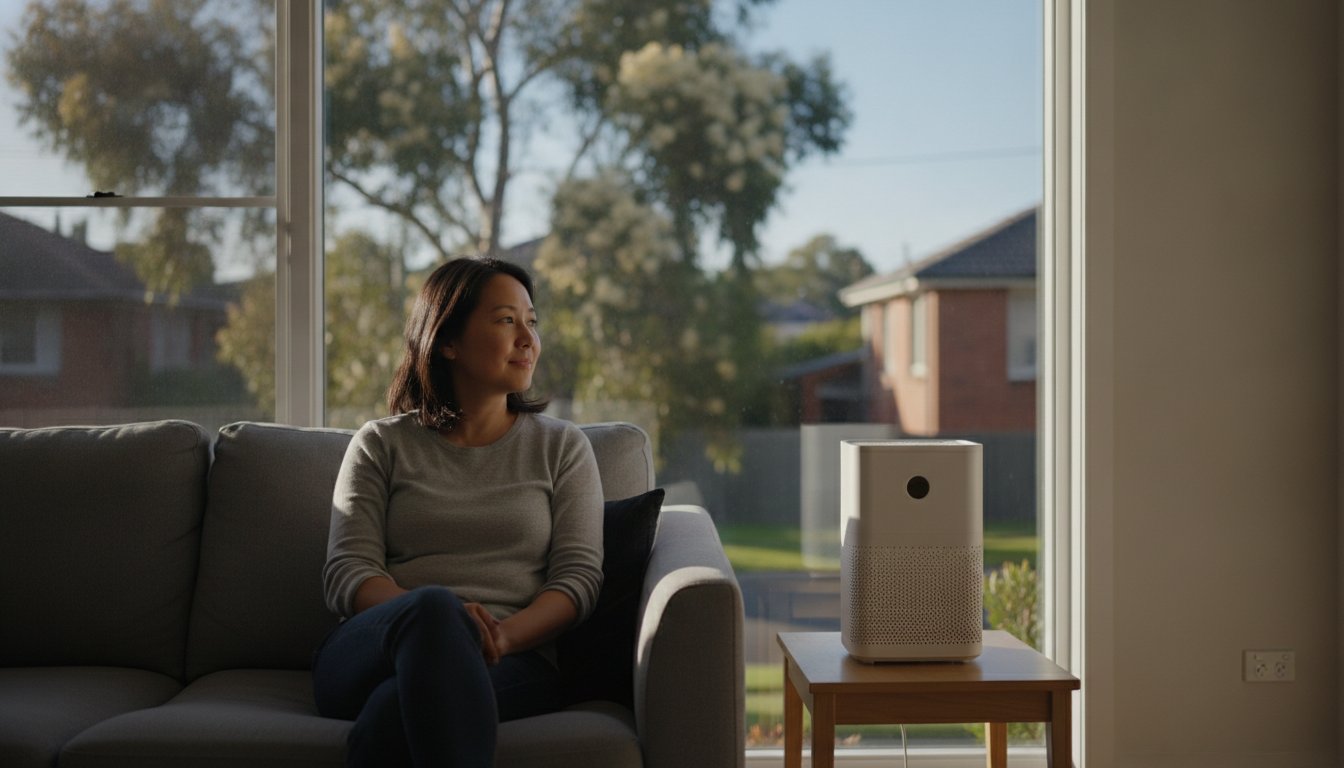
Imagine the first night back in your own living room after a long hospital stay. The familiar hum of the machine is a sign of progress, yet it often brings a heavy sense of responsibility that can feel impossible to carry alone. Making the move to ndis ventilator management at home is a milestone worth celebrating, but it’s natural to feel a bit overwhelmed by the complexity of it all.
You probably worry about what happens during an equipment emergency or how to find support staff who are truly competent in high-intensity care. It’s exhausting to decode NDIS jargon while you’re just trying to stay safe and comfortable. We understand that you want your home to be a sanctuary, not a clinical ward. This guide will help you discover how to safely transition to home-based care while maintaining your independence. We’ll explore how to fully utilize your complex care funding so you can build a trained team you trust and finally enjoy the peace of mind you’ve been searching for.
Key Takeaways
- Learn how to transition from a clinical hospital setting to the comfort of your own bedroom while maintaining your personal autonomy.
- Understand the NDIS Practice Standards for ndis ventilator management at home to ensure your plan reflects the high-intensity funding you need.
- Identify the essential backup equipment and safety protocols required to create a secure, stable environment for complex respiratory care.
- Discover how to navigate NDIS funding categories to unlock the right support workers and specialized community nursing care.
What is NDIS Ventilator Management at Home?
Transitioning from a clinical environment back to your own space is a deeply personal journey. It represents a vital shift from being a patient in a ward to being a person in their own home. ndis ventilator management at home is the specialized support that makes this transition possible. It involves using a machine to assist or replace spontaneous breathing, a process known as mechanical ventilation. Within the NDIS framework, this care falls under High Intensity Daily Personal Activities. This classification ensures you receive the skilled assistance required to manage complex respiratory needs safely while you focus on living your life.
The Goal of Home Ventilation
The primary objective of moving to home-based support is to honor your autonomy and self-determination. Living at home allows you to set your own schedule and stay connected with your community. Proactive community nursing plays a vital role here. By having skilled professionals monitor your health in your own environment, we can often identify small changes before they become emergencies. This approach significantly reduces the need for stressful hospital readmissions. It also provides your family with a reliable, professional care team they can count on, which helps ease the emotional and physical load of caregiving.
Types of Respiratory Support at Home
Every person’s needs are unique, so ndis ventilator management at home is never a one-size-fits-all service. Your support is tailored to your specific health requirements and lifestyle goals. Support generally falls into two main categories:
- Invasive Ventilation: This involves a tracheostomy, where the ventilator connects directly to a tube in the airway. It’s often required for those who need continuous support throughout the day and night.
- Non-Invasive Ventilation (NIV): This uses a mask or mouthpiece, commonly seen with CPAP or BPAP machines. This might only be necessary during the night or for specific periods during the day.
Whether your needs are continuous or nocturnal, the focus remains on a highly individualized respiratory care plan. This plan acts as a roadmap for your support team. It ensures every breath you take is supported with technical competence and a genuine, caring heart.
Understanding NDIS High Intensity Support Standards
When you see the term “High Intensity” in your NDIS plan, it might feel like just another piece of clinical jargon. In reality, it’s a protective label that ensures you receive the highest level of safety and expertise. For those requiring ndis ventilator management at home, High Intensity Daily Personal Activities (HIDPA) standards are mandatory. These rules exist because the NDIS recognizes that managing a ventilator requires specialized skills that go far beyond standard support work. It’s about making sure the people entering your home have the exact training needed to keep you safe and well.
A Registered Nurse (RN) is the essential architect of this care. They don’t just provide oversight; they create your individual Ventilator Management Plan in consultation with your medical team. This plan is a living document that outlines your specific settings, risks, and emergency procedures. While standard support work might focus on daily living tasks like meal prep or light cleaning, specialized ventilation support is life-sustaining. It requires a deeper level of clinical understanding and a commitment to rigorous safety protocols. You can find more details on how the scheme categorizes these needs in the official guide to NDIS funding for health supports.
Clinical Governance and Oversight
Safety at home isn’t accidental; it’s the result of a robust community nursing framework. This system ensures that every support worker assigned to you has undergone “delegation of care.” This means an RN has personally trained and assessed that worker on your specific equipment and needs. It’s a personalized hand-off that builds trust and competence. Regular audits and respiratory health reviews are also part of this governance. These check-ins allow us to spot subtle changes in your health early, ensuring your care remains as dynamic as your lifestyle. If you’re feeling unsure about your current arrangements, reaching out for a professional community nursing consultation can help clarify your options.
Core Competencies for Your Care Team
Your support team needs a specific toolkit of skills to manage your respiratory health effectively. These competencies are the foundation of ndis ventilator management at home and include:
- Tracheostomy Care and Suctioning: Knowing how to keep airways clear and manage the stoma site with gentle, sterile techniques.
- Monitoring Vital Signs: Regularly checking oxygen saturation levels and respiratory rates to ensure the ventilator is doing its job perfectly.
- Equipment Infection Control: Meticulous cleaning and maintenance of circuits, filters, and masks to prevent respiratory infections.
- Emergency Troubleshooting: The ability to respond instantly and calmly if an alarm sounds or equipment needs a quick adjustment.
By focusing on these core skills, your team provides more than just medical support. They provide the stability you need to stop worrying about the “what ifs” and start focusing on your goals and your family.
Safety and Troubleshooting: Managing Ventilators Safely
The sound of a ventilator alarm can cause your heart to race, but with the right preparation, it becomes a signal you can manage with confidence. Living with a ventilator at home shouldn’t feel like living in a state of constant alert. The goal of ndis ventilator management at home is to create a “fail-safe” sanctuary where you feel protected by systems, not restricted by them. This peace of mind starts with a robust environment where every piece of equipment has a backup and every person in the room knows exactly what to do.
Safety is built on layers. Beyond the ventilator itself, you need a suite of essential tools ready at a moment’s notice. This includes external battery packs, portable suction units, and a secondary ventilator if your plan requires it. Your Emergency Management Plan is the roadmap for this environment. It isn’t just a document tucked away in a folder; it’s a clear, step-by-step guide that helps your team respond to alarms without panic. When an alarm sounds, it’s simply the machine communicating a need. With a trained team, that communication leads to a calm, practiced response rather than a crisis.
Daily Equipment Checks
Consistency is the foundation of safety. By following a methodical daily routine, we ensure that your equipment is always in peak condition. Your support team should follow these four essential steps every single day:
- Step 1: Circuit Inspection. Carefully check all tubing and filters for any signs of moisture buildup, wear, or blockages that could affect airflow.
- Step 2: Battery Verification. Test both internal and external battery levels. We ensure they’re fully charged and ready to take over instantly if the power goes out.
- Step 3: Manual Backup. Confirm that a manual ventilation bag (Ambu-bag) is right by your bedside and in perfect working order.
- Step 4: Diligent Logging. Record all machine settings and any minor deviations in a daily log. This helps your community nurse track patterns over time.
Carer Training and Emergency Readiness
Every home is different, which is why site-specific training is non-negotiable. It isn’t enough for a support worker to have general experience; they must be competent with your specific machine and your unique airway needs. We focus on preparing for the unexpected, such as power outages or circuit disconnects. Your team is trained to know the difference between a clinical escalation, where they might call your nursing supervisor for advice, and a medical emergency that requires immediate help. This clarity allows you to relax, knowing that your safety is held in capable, caring hands. When your team is ready for anything, you’re free to focus on everything else in your life.
Navigating NDIS Funding for Ventilation Support
Securing the right funding for ndis ventilator management at home is about ensuring every breath is supported by the right resources. While the NDIS price guide can feel like a mountain of jargon, it’s actually a toolkit designed to help you live a life of your choosing. To get started, you’ll need to look at your plan’s Core Supports and Capacity Building budgets. Core Supports usually cover the day-to-day assistance from skilled workers, while Capacity Building funds the professional training and nursing oversight that keeps your care team competent and safe.
If your health needs change, you don’t have to wait for your scheduled plan end date to seek more support. You can request a plan review whenever there’s a significant shift in your respiratory requirements. This is where Functional Capacity Assessments become vital. These assessments provide the clinical evidence needed to show the NDIS exactly how much support is required to keep you safe and active in your community. They bridge the gap between your medical reality and the funding you deserve.
Funding for High Intensity Daily Activities
Because managing a ventilator requires a higher level of skill, the NDIS provides a specific price limit for High Intensity supports. This higher rate reflects the specialized training your support workers must have. If you require overnight monitoring or 24/7 care, your plan needs to explicitly justify this based on safety risks and clinical needs. It’s also important to remember that this funding isn’t just for staying indoors. It should empower you to attend social events, visit family, or participate in the community with your support team by your side.
Assistive Technology and Consumables
The ventilator is just one part of the puzzle. Your plan should also account for the ongoing costs of consumables and backup systems. This includes funding for:
- Suction Catheters and Filters: Essential items that must be replaced frequently to prevent infection.
- Tracheostomy Ties and Dressings: Necessary for comfort and skin integrity.
- Backup Power Supplies: Funding for uninterruptible power supplies (UPS) to ensure your life-support equipment keeps running during a blackout.
Working closely with an Occupational Therapist helps ensure your home environment is set up for success. They can help you source equipment that fits your home’s layout and your personal comfort. If you’re feeling overwhelmed by the paperwork, our team can help you understand your options through our NDIS support services, ensuring you get the most out of your funding for ndis ventilator management at home.
Compassionate Complex Care with Accessible Care
At Accessible Care, we believe that your home should be a place of comfort and connection, not just a setting for medical procedures. Our commitment to providing high intensity supports in Melbourne and Adelaide is built on a foundation of mutual regard and deep empathy. We don’t just provide a service; we enter into a supportive partnership with you and your family. Our community nurses act as a vital bridge between the hospital and your home, ensuring that ndis ventilator management at home is handled with the highest level of professional competence and a genuinely warm heart.
Our “Attentive Listening” approach is what sets us apart. We take the time to truly understand your perspective, ensuring that your personal goals and self-determination always come first. Many families trust us to manage the intersection of complex acquired brain injury and respiratory care. They know that we see the person behind the diagnosis, focusing on ways to improve quality of life while maintaining the rigorous safety standards required for life-sustaining equipment. We’re here to help you navigate the complexities of the NDIS so you can focus on what matters most: your life and your loved ones.
A Multidisciplinary Team Approach
True wellbeing requires a team that looks at every aspect of your health and happiness. We bring together diverse experts to ensure your care is holistic and empowering. This includes:
- Speech Therapy: Assisting with communication strategies and safe swallowing techniques, which are essential for those using respiratory support.
- Occupational Therapy: Helping with home modifications and selecting the right ergonomic equipment to ensure your home remains a sanctuary of comfort.
- Positive Behaviour Support: Providing emotional and psychological strategies to help you and your family thrive in a home-based care environment.
Get Started with Accessible Care
We understand that the transition from hospital to home can feel daunting, so we’ve made our process as gentle and methodical as possible. Our team provides step-by-step transition planning for hospital discharge, working closely with your clinical team to ensure no detail is missed. We also prioritize customized staff matching. It’s not just about technical skill; it’s about finding support workers who feel like a natural and respectful fit for your home life. If you’re ready to explore how ndis ventilator management at home can work for you, our Melbourne and Adelaide teams are here for a gentle consultation. We’re ready to listen and help you achieve the independence you deserve.
Embracing Your Independence at Home
Moving from a hospital bed to your own bedroom is a profound step toward reclaiming your autonomy. We’ve explored how understanding high-intensity standards and securing the right funding can transform your living space into a safe, supportive sanctuary. By focusing on meticulous safety checks and a well-trained care team, ndis ventilator management at home becomes a manageable part of a full, self-directed life rather than a source of constant stress.
As a Registered NDIS Provider with an experienced community nursing team in Melbourne and Adelaide, Accessible Care is dedicated to this journey with you. We specialize in high intensity and complex care, ensuring your technical needs are met with genuine empathy. You don’t have to navigate this system alone. Our team is here to listen and help you build a support structure that honors your choices. Please reach out to request a compassionate consultation for home ventilator management today. Your peace of mind and independence are our highest priorities, and we’re ready to support you every step of the way.
Frequently Asked Questions
Can a non-nurse manage a ventilator under the NDIS?
Yes, a trained support worker can manage a ventilator if they’ve received a formal delegation of care from a Registered Nurse. This process ensures the worker is competent in your specific routines and equipment. While the nurse provides the clinical oversight, the support worker handles the daily management. This helps you maintain a consistent team in the comfort of your home.
What happens to the ventilator if there is a power outage at home?
Your ventilator will automatically switch to its internal battery if the power fails. It’s vital to have an external backup battery and a manual ventilation bag ready at your bedside. Your emergency plan will guide your team on when to switch to these backups or when to contact emergency services. We help families prepare for these moments so they can stay calm and safe.
Does the NDIS pay for the electricity used by a ventilator?
The NDIS can provide funding to help cover the additional electricity costs associated with running life-sustaining equipment. While they don’t pay your entire bill, they recognize that ndis ventilator management at home increases your energy usage. You’ll need to provide evidence of the equipment’s power requirements. Many states also offer medical energy rebates that work alongside your NDIS plan.
How do I find a support worker trained in ventilator management in Melbourne?
You can find specialized support by partnering with a registered provider that has a dedicated community nursing team in Victoria. We provide high-intensity support across Melbourne, matching you with staff who are trained specifically for your needs. It’s important to choose a provider that prioritizes site-specific training rather than just general experience. This ensures your team truly understands your unique environment.
What is the difference between CPAP and mechanical ventilation in an NDIS plan?
CPAP is typically used for sleep apnea and is often managed under standard support items. Mechanical ventilation is classified as a High Intensity Daily Personal Activity because it’s life-sustaining and requires specialized clinical oversight. Your NDIS plan will reflect this difference in the funding rates and the level of training required for your care team. This ensures you have the right expertise for your level of need.
How often should my home ventilation plan be reviewed by a professional?
Your home ventilation plan should be reviewed by a health professional at least once every twelve months. However, we recommend more frequent reviews if you experience any changes in your health or respiratory function. These check-ups ensure your settings are still optimal and your care team is following the latest safety protocols. Proactive reviews are the best way to prevent hospital visits.
Is 24/7 nursing care available for ventilator-dependent participants?
The NDIS can fund 24/7 support if your clinical needs require constant monitoring and intervention. This is often delivered through a “shared care” model, where Registered Nurses provide oversight and trained support workers handle the continuous bedside care. We work with you to document the necessity of this level of support, ensuring your plan provides the safety and peace of mind you deserve.
What training does Accessible Care provide to its complex care staff?
We offer rigorous, site-specific training that covers everything from tracheostomy care to emergency troubleshooting. Our Registered Nurses personally assess every staff member to ensure they’re competent in ndis ventilator management at home before they begin working with you. This isn’t just a one-time check; we provide ongoing education and support to keep our team’s skills sharp and their care compassionate.

