

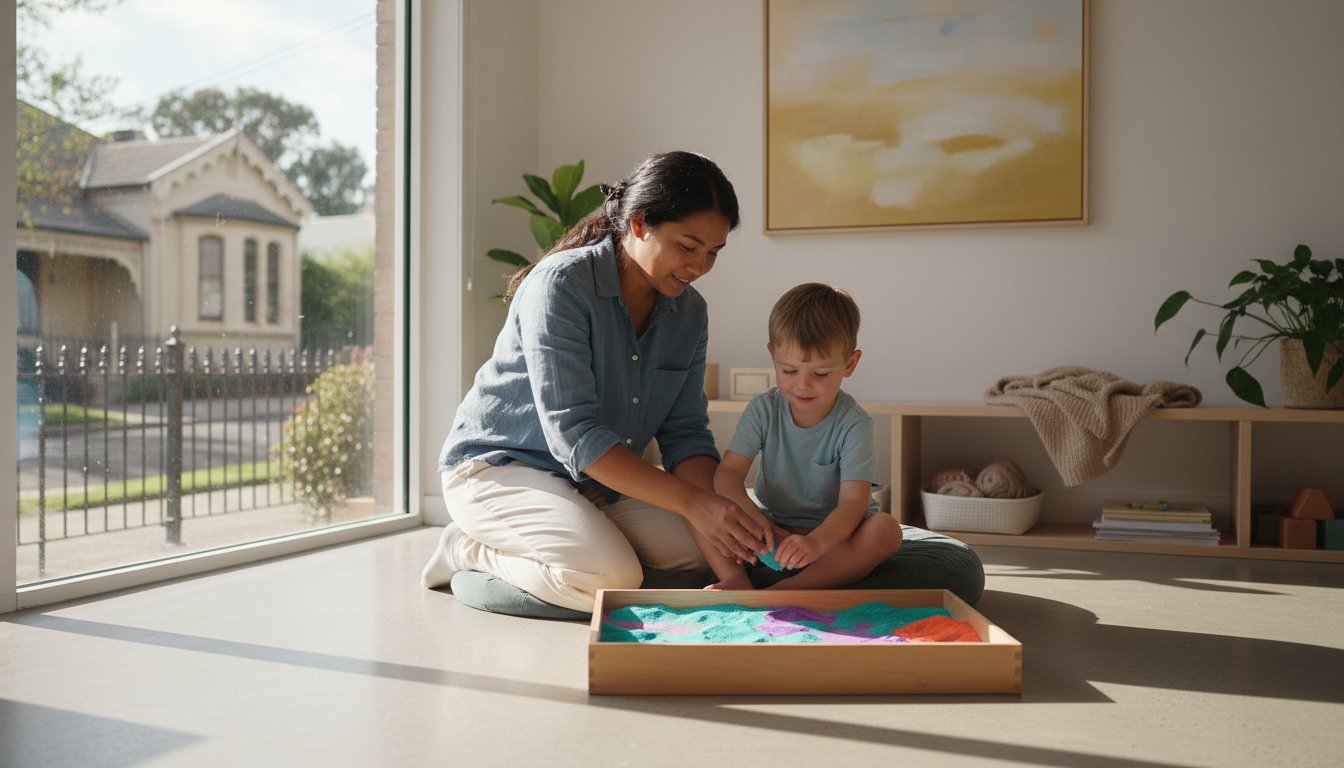
Imagine walking into a grocery store where the hum of the fridge sounds like a jet engine and the overhead lights feel like needles against your skin. For many, this isn’t just a bad day; it’s every day. You likely understand the deep exhaustion of trying to stay calm when your nervous system feels under attack. It’s heartbreaking to watch your child retreat from social settings or face meltdowns that leave everyone feeling drained. Since over 90 percent of children with Autism Spectrum Disorder experience these atypical sensory behaviors, you are certainly not alone in this experience.
We believe that sensory therapy isn’t about fixing who you are. Instead, it’s about co-creating a world where your unique nervous system can thrive. This guide explores how occupational therapy for sensory processing disorder empowers individuals to manage these challenges and regain their independence. You’ll discover how a practical sensory diet can create peace at home and how to effectively use NDIS support to reach your goals. We’ll also look at evidence-based strategies that help children and adults participate more fully in school, work, and the activities they love most.
Key Takeaways
- Learn how to recognize the signs of “sensory load” and understand why everyday environments can feel overwhelming for your nervous system.
- Discover how occupational therapy for sensory processing disorder acts as a “sensory detective” to identify triggers and create calmer daily routines.
- Understand how sensory support evolves from play-based activities for children to practical, strategy-led independence for adults.
- Gain confidence in navigating the NDIS by learning which funding categories cover therapy and how a functional capacity assessment secures the support you need.
- Explore the benefits of mobile, person-centric therapy that brings expert care directly to your home in Melbourne or Adelaide.
Table of Contents
- Understanding Sensory Processing Disorder (SPD): When the World Feels "Too Much"
- How Occupational Therapy Transforms the Sensory Experience
- Paediatric vs. Adult OT: Tailoring Support Across the Lifespan
- Navigating the NDIS for Sensory Support: Funding and Practical Steps
- The Accessible Care Approach: Compassionate OT in Melbourne and Adelaide
Understanding Sensory Processing Disorder (SPD): When the World Feels “Too Much”
Have you ever felt like your brain was trying to process a dozen different conversations at once while standing in a crowded room? This is a glimpse into the daily reality of Sensory Processing Disorder (SPD). It isn’t a choice or a matter of discipline. It’s a neurological condition where the brain has trouble receiving and responding to information that comes in through the senses. Think of it like a traffic jam in the nervous system. The signals are there, but they aren’t getting to the right destination in an organized way.
We often use the concept of “Sensory Load” to describe this experience. Imagine every person has a cup that collects sensory triggers throughout the day. A scratchy clothing tag, a flickering fluorescent light, or the hum of a refrigerator all add a little more “liquid” to that cup. When the cup overflows, we see a meltdown or a complete shutdown. By seeking occupational therapy for sensory processing disorder, you can learn how to empty that cup before it spills over. This shift from viewing actions as “bad behavior” to understanding them as sensory needs is the first step toward true harmony.
Everyone’s sensory profile is unique. Some people are sensory seekers who crave intense input like spinning or deep pressure because their brain doesn’t register enough information. Others are sensory avoiders who feel every touch or sound with painful intensity. Validating these experiences helps families move away from frustration and toward a partnership of care and autonomy.
The 8 Senses: Moving Beyond Sight and Sound
While we all know the five basic senses, three “hidden” systems play a massive role in how we feel. Proprioception tells us where our body parts are without looking. The vestibular system, located in the inner ear, governs our balance and movement. Finally, interoception is the internal sense that helps us feel hunger, thirst, or the racing heart of anxiety. When these systems are out of sync, the world feels unpredictable and unsafe.
Signs and Symptoms Across Different Ages
Sensory challenges look different as we grow. Recognizing these signs early allows for more effective support.
- Toddlers: You might notice extreme “picky eating,” distress during hair brushing, or intense reactions to common household noises like vacuums.
- School-aged children: Challenges often show up as difficulty sitting still, poor handwriting due to weak grip, or withdrawing from noisy playgrounds.
- Adults: Signs can be more subtle, appearing as chronic fatigue from “masking” in loud offices, executive dysfunction, or a lifelong reputation for being clumsy.
No matter the age, occupational therapy for sensory processing disorder provides practical tools to help the brain create more efficient pathways. It’s about honoring the individual’s perspective and building a life that feels comfortable and manageable.
How Occupational Therapy Transforms the Sensory Experience
Think of an Occupational Therapist as a sensory detective. We don’t just look at a child’s behavior; we look for the “why” behind it. When a person feels overwhelmed, it’s often because their brain is struggling to filter out the noise of the world. By using occupational therapy for sensory processing disorder, we can identify these specific triggers and build a customized plan for harmony. This process is a vital part of what is occupational therapy, as it focuses on helping you or your loved one regain the independence needed for daily life.
One of the most exciting aspects of this work is neuroplasticity. The brain is remarkably adaptable. Through consistent, targeted input, we help the nervous system organize information more effectively. This reduces the feeling of being constantly under attack by your environment. We also pay close attention to interoception, often called the “eighth sense.” This is your internal awareness of things like hunger, heart rate, and emotional state. When interoception is off, emotional regulation becomes nearly impossible. Treating Sensory Processing Issues often involves strengthening this internal connection so you can recognize feelings before they become overwhelming meltdowns.
Our approach relies on Sensory Integration Therapy (SIT). This is an evidence-based framework that uses specific activities to challenge the sensory system in a safe, controlled way. It isn’t just about play; it’s about building a stronger foundation for the brain to process the world. If you feel ready to explore how these personalized strategies can support your family, our compassionate team at Accessible Care is here to walk beside you.
The Sensory Evaluation Process
Every journey begins with understanding. We use standardized tools like the Sensory Profile 2 to map out your unique sensory strengths and challenges. However, numbers only tell part of the story. We also value clinical observation in your natural environment, whether that’s at home or in the classroom. This allows us to see how sensory triggers impact real-world participation. Together, we set goals that actually matter to your lifestyle, like being able to enjoy a family dinner or attending a school assembly without distress.
Therapeutic Techniques and Equipment
In a therapeutic setting, we use a variety of tools designed to calm or alert the nervous system. This might include:
- Sensory Gyms: Swings and crash pads provide vestibular and proprioceptive input that helps ground the body.
- Heavy Work: Activities like pushing a weighted trolley or carrying groceries provide deep pressure to the muscles and joints, which is naturally organizing for the brain.
- Environmental Modifications: Sometimes, the best solution is changing the space. We might suggest dimmable lighting, noise-canceling headphones, or ergonomic seating to reduce the total sensory load.
Paediatric vs. Adult OT: Tailoring Support Across the Lifespan
A common misconception is that sensory challenges are something we simply grow out of. In reality, the nervous system continues to process information throughout our lives, and the way we experience the world evolves as we age. While a child might struggle with the texture of sand or the noise of a playground, an adult might find the fluorescent lights and constant chatter of an open-plan office physically painful. Occupational therapy for sensory processing disorder isn’t just for the early years; it’s a lifelong partnership that adapts to your changing needs and environment.
Sometimes, these challenges appear later in life due to external factors. For instance, an acquired brain injury can fundamentally alter how the brain interprets sensory signals, leading to a sudden onset of light sensitivity or sound intolerance. Whether these needs have been present since birth or emerged after a health event, the goal remains the same: helping you navigate your world with dignity and comfort. We focus on autonomy and self-advocacy, ensuring every individual has the tools to express their needs and set their own boundaries.
Paediatric OT: Development Through Play
For children, play is their primary “occupation.” Therapy is designed to feel like fun, using games to build school readiness and social confidence. We often incorporate Positive Behaviour Support to help manage meltdowns, viewing these moments as a cry for sensory regulation rather than a choice to misbehave. We also work closely with parents, empowering them to become expert advocates for their child’s sensory rights in schools and the community. This collaborative approach ensures the child feels understood and supported in every setting they encounter.
Adult OT: Navigating Work and Independence
Adults require a more strategic, cognitive approach to manage their sensory needs. This often involves conducting a “sensory audit” of the workplace to identify triggers like acoustics or ergonomics. We help you build a personalized “Sensory Toolkit” containing items like discreet fidget tools, noise-filtering earplugs, or specific breathing techniques. By using occupational therapy for sensory processing disorder, adults can manage social gatherings and professional responsibilities without the constant fear of burnout. It’s about creating a lifestyle that honors your nervous system rather than forcing it to conform to a standard that doesn’t fit.
Navigating the NDIS for Sensory Support: Funding and Practical Steps
Securing support through the National Disability Insurance Scheme (NDIS) can feel like learning a new language. You know what your family needs to feel safe and regulated, but translating those needs into a plan requires a clear strategy. Occupational therapy for sensory processing disorder is typically funded under the “Capacity Building – Improved Daily Living” budget. This category is designed to help you build the skills needed to manage daily tasks with greater ease and independence.
The most important tool in your NDIS toolkit is a functional capacity assessment. This comprehensive report, written by your therapist, explains exactly how sensory challenges impact your life. It moves beyond a simple list of symptoms and shows the NDIA why specific support is essential for your wellbeing. For example, it might explain how a child’s sensory sensitivities prevent them from attending school or how an adult’s processing needs impact their ability to hold a job. We often find that a multidisciplinary approach is best, as your OT can work closely with speech pathology to address the way sensory triggers might interfere with communication or social interaction.
When you prepare for a planning meeting, focus on your “lived experience” goals. Instead of asking for “OT hours,” talk about the outcome. You might say, “I want to be able to go to the grocery store without experiencing a sensory meltdown,” or “I want my child to be able to participate in a birthday party.” These goals provide a clear reason for the funding. If you need help preparing your evidence or understanding your current plan, our team at Accessible Care is ready to provide the professional guidance you deserve.
Securing Funding for Consumables and Equipment
Many families don’t realize that their plan can often cover “low-cost assistive technology.” This includes items like noise-cancelling headphones, weighted vests, or specialized fidget tools. Your therapist plays a key role here by writing recommendation reports that justify these items as “reasonable and necessary.” It’s vital to understand the difference between your therapy budget and your equipment budget so you can make the most of every dollar in your plan.
Implementing a Sensory Diet at Home
A sensory diet is a personalized plan of activities designed to keep your nervous system regulated throughout the day. It isn’t about food; it’s about “feeding” the brain the right sensory input at the right time. We use two main types of activities:
- Sensory Snacks: Quick, 5-minute activities like jumping on a trampoline or using a chewy tool to provide immediate regulation.
- Sensory Meals: Longer, more intensive activities like a trip to the park or a deep-pressure massage that provide lasting calm for several hours.
We’ll help you track how these activities impact your mood and energy. As your needs change, we’ll adjust the “diet” together to ensure it continues to support your autonomy and comfort.
The Accessible Care Approach: Compassionate OT in Melbourne and Adelaide
Accessible Care provides mobile therapy services across Melbourne and Adelaide. This means we come to you. Whether it is at home, school, or a local park, we meet you where life happens. This environment is often where sensory challenges are most visible, making it the perfect place for occupational therapy for sensory processing disorder. Our clinicians are NDIS-registered and deeply committed to a person-centric model of care. We focus on providing solutions that offer comfort and an improved quality of life for the whole family.
We believe that you are the expert on your own life. Our “listening first” philosophy ensures that your autonomy and self-determination are at the heart of every decision. We don’t arrive with a rigid, one-size-fits-all plan. Instead, we sit down with you to understand your specific goals and the unique way your nervous system experiences the world. This partnership builds trust and ensures that our support provides genuine peace of mind. It is about honoring your perspective and working together toward a more balanced daily experience.
Our Multidisciplinary Support Team
Our team doesn’t work in isolation. We understand that sensory needs often overlap with communication styles and behavioral patterns. Our Occupational Therapists collaborate daily with our Speech Pathologists and Positive Behaviour Support practitioners. This unified approach ensures your care is consistent and holistic. For those with more complex requirements, we provide high intensity supports ndis. This specialized care focuses on the total wellbeing of the family, ensuring that parents and caregivers feel just as supported as the individual receiving therapy.
Getting Started with Accessible Care
Starting your journey with us is designed to be simple and stress-free. We know that NDIS participants already face enough administrative hurdles, so we’ve streamlined our referral process to be as easy as possible. Your first session is a compassionate assessment where we focus on connection rather than just clinical data. We’ll talk about your history, your current challenges, and what a “good day” looks like for you. This initial meeting is about building a supportive foundation for your future.
We’ll discuss how occupational therapy for sensory processing disorder can be tailored to your specific daily routine. There is no pressure; only a professional and competent team ready to help you achieve your objectives. If you’re ready to find your sensory harmony, reach out to our friendly team today to discuss your needs.
Embracing a Calmer, More Connected Future
You don’t have to navigate a world that feels “too much” on your own. By understanding the unique ways your nervous system processes information, you can move from a state of constant overwhelm to one of sensory harmony. Whether it’s through identifying triggers or building a practical sensory diet, professional support provides the bridge to a more independent life. Occupational therapy for sensory processing disorder offers the evidence-based tools needed to regulate the senses and thrive in every environment.
As a Registered NDIS Provider with specialised paediatric and adult OT teams, we’re here to help you unlock the funding and support you deserve. Our mobile services across Melbourne and Adelaide bring compassionate care directly to your doorstep, ensuring therapy happens where you feel most comfortable. You have the right to feel safe, understood, and in control of your daily routine. Begin your journey to sensory harmony with Accessible Care today. We’re ready to listen, support, and walk alongside you toward a brighter, more balanced future.
Frequently Asked Questions
Is Sensory Processing Disorder the same as Autism?
No, they are distinct conditions, though they frequently overlap. While research indicates over 90 percent of children with Autism Spectrum Disorder demonstrate atypical sensory behaviors, about 5 percent of the pediatric population experiences sensory challenges without a co-occurring condition. Understanding this distinction helps us provide more targeted support that honors each person’s unique neurobiology. It’s about recognizing the individual’s specific needs rather than applying a broad label.
Can an Occupational Therapist help with picky eating caused by sensory issues?
Yes, an Occupational Therapist can provide specialized support for sensory-based eating challenges. We look beyond the “behavior” to understand how textures, smells, and even the internal sense of hunger impact mealtime. By using occupational therapy for sensory processing disorder, we help individuals gradually expand their comfort zone with food in a way that feels safe and empowering. This process focuses on building a positive relationship with food at your own pace.
How long does it take to see results from sensory integration therapy?
Every nervous system is different, so there is no fixed timeline for seeing progress. Some families notice small, positive shifts in regulation after just a few weeks of implementing a consistent sensory diet. Lasting change through neuroplasticity typically requires several months of regular therapy. We focus on steady, sustainable growth that improves your quality of life over the long term. Patience and consistency are key to helping the brain adapt.
Does the NDIS pay for sensory swings and weighted blankets?
Yes, the NDIS often funds these items if they are deemed “reasonable and necessary” for your goals. These are usually categorized as low-cost assistive technology. Your therapist will need to write a recommendation report to justify how a swing or blanket helps you stay regulated. We assist you in navigating these equipment requests to ensure you have the tools you need at home to feel calm and secure.
Can an adult be diagnosed with Sensory Processing Disorder for the first time?
Yes, many adults seek a sensory assessment for the first time later in life. You might have spent years “masking” your sensitivities or feeling misunderstood in loud environments. Identifying these patterns as an adult can be incredibly validating. It allows you to build a lifestyle that finally honors your sensory needs and reduces the chronic fatigue associated with constant sensory overload. It’s never too late to seek a more balanced life.
What is the difference between a sensory meltdown and a behavioural tantrum?
A sensory meltdown is an involuntary neurological response to an overloaded nervous system, while a tantrum is typically a goal-oriented behavior. During a meltdown, the person has lost the ability to regulate and cannot simply stop the reaction. We focus on reducing the sensory load to prevent these occurrences. Understanding this difference allows caregivers to respond with empathy and peace of mind rather than frustration or discipline.
How do I find a registered NDIS occupational therapist in Melbourne or Adelaide?
You can find a registered provider by searching the NDIS participant portal or contacting us directly at Accessible Care. We provide mobile occupational therapy for sensory processing disorder across both Melbourne and Adelaide. Our team comes to your home or school to provide support in the environment where you feel most comfortable. This approach makes the process easier and more accessible for busy families and individuals.
Can sensory issues be managed without professional therapy?
While some people develop their own coping mechanisms, professional therapy provides the “why” behind your experiences. An Occupational Therapist acts as a detective to find the root cause of your distress. Without this expert insight, it’s easy to accidentally use strategies that might actually increase your sensory load. Professional guidance ensures your efforts are targeted, effective, and supportive of your long-term independence and autonomy.

