

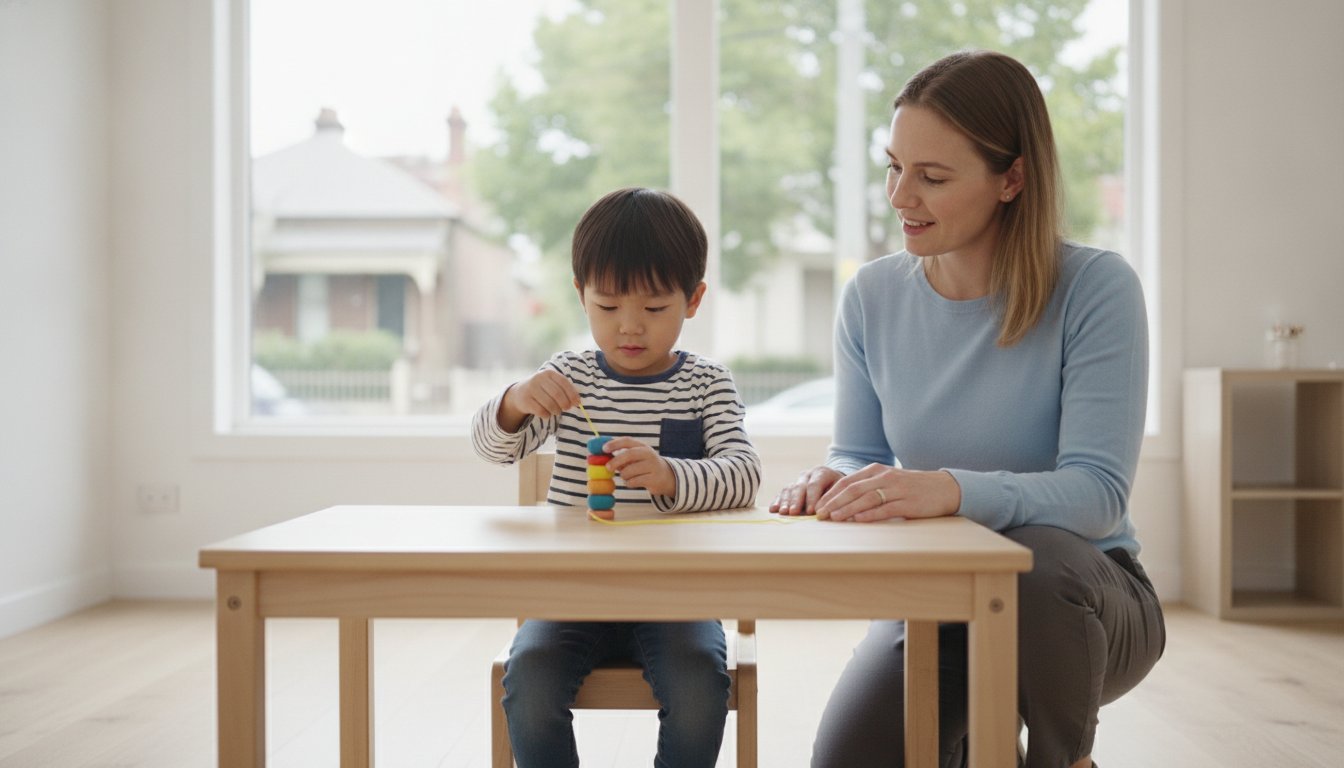
What if your child’s readiness for the classroom had less to do with reciting the alphabet and everything to do with how they feel in their own body? For many parents in South Australia, the approaching first day of school brings a mix of pride and deep anxiety. You might worry about your little one falling behind their peers or feel overwhelmed by the specific requirements for starting reception in Adelaide. It’s common to feel lost when trying to understand how NDIS funding fits into your child’s preparation. Finding the right school readiness occupational therapy adelaide can be the bridge between that uncertainty and a confident start.
We understand that you want your child to feel safe, capable, and happy as they begin this new chapter. This guide will help you discover how paediatric occupational therapy empowers children with the physical, social, and emotional foundations they need to thrive. We’ll walk through the essential developmental milestones, explain how to navigate support under the NDIS, and show you how to find a trusted local partner. By the end, you’ll have a clear path forward to help your child embrace their education with joy and independence.
Key Takeaways
- Learn how focusing on the whole child builds the emotional and social foundations necessary for a happy classroom experience.
- Understand how school readiness occupational therapy adelaide uses graded activities to help your child master new skills without feeling overwhelmed.
- Identify developmental signs that suggest your child could benefit from proactive support before they start their first term.
- Gain clarity on using NDIS Capacity Building funding to access professional paediatric support for your child’s transition.
- Discover what to expect during a compassionate initial assessment designed to honour your child’s unique strengths and goals.
Table of Contents
What is School Readiness Occupational Therapy?
School readiness is about much more than knowing the alphabet or counting to ten. It’s the collection of foundational skills that allow your child to participate fully in every part of school life; from the classroom to the playground. While many parents focus on academic preparation, Occupational therapy looks at the “whole child.” This means we consider their physical, emotional, and social health as interconnected pieces of their development. We don’t just look at what a child can do, but how they feel while they’re doing it.
There’s a vital distinction between academic readiness and therapeutic readiness. A child might be able to read early, but if they struggle to sit upright at a desk for fifteen minutes or find it hard to follow multi-step instructions, their school day will feel exhausting. Our goal with school readiness occupational therapy adelaide is to build these underlying foundations. We act as a supportive bridge, helping your child move from the familiar comfort of home or kindergarten into the more structured primary school environment with confidence and ease.
The Core Domains of School Readiness
We focus on three main areas to ensure your child feels capable and ready to engage with their peers:
- Fine motor skills: These involve the small muscles in the hands. We help children master holding a pencil, using scissors safely, and the often-tricky task of managing lunchboxes and water bottles independently.
- Gross motor skills: A child needs core strength and postural control to sit at a desk without getting tired. We also work on coordination so they can navigate busy playgrounds and join in on games safely.
- Sensory processing: Adelaide classrooms are vibrant and full of life, but the noise and movement can be overwhelming for some. We help children learn how to process this sensory input so they can stay focused and calm during lessons.
Why a Compassionate Approach Matters
Transitions are big moments for little people. It’s natural for children to feel anxious about the “big school” move, and we meet that anxiety with genuine empathy. By breaking down complex tasks into small, achievable wins, we help your child build a sense of “I can do this.” This person-centric focus doesn’t just improve physical skills; it protects their self-esteem during a vulnerable time. We also empower you as a parent. You’re the expert on your child, and we provide the tools and language you need to advocate for their unique needs within the South Australian education system.
How Occupational Therapy Prepares Your Child for the Classroom
We believe every child deserves to feel successful as they step into their first classroom. In our sessions for school readiness occupational therapy adelaide, we use a method called the “just right challenge.” This involves grading activities so they’re hard enough to build skills but gentle enough to avoid frustration. We might start with a simple task and slowly add complexity as your child’s confidence grows. It’s a delicate balance that respects your child’s current abilities while encouraging genuine growth and autonomy.
Executive functioning is the invisible engine of classroom learning. It’s the brain’s ability to follow multi-step instructions, such as “get your lunchbox, put on your hat, and line up at the door.” We also focus heavily on social-emotional regulation. School requires children to take turns, share resources, and manage “big feelings” when they find a task difficult. By building these internal tools, occupational therapy fosters the long-term independence that helps children thrive both socially and academically.
Mastering the Tools of Learning
Mastering the physical tools of school is a significant milestone for any young learner. We look closely at handwriting foundations, focusing on the grip strength and posture needed to write comfortably without fatigue. Visual perception is also vital; it helps children process information from a whiteboard and translate it correctly to their page. The Australian Early Development Census (AEDC) highlights that physical health and wellbeing are critical for a successful start to school. This includes everyday self-care, such as managing zippers on a school bag, opening lunch containers, or changing clothes for PE independently.
Sensory Regulation for Focus
Sensory regulation is the ability to maintain an optimal level of alertness for learning. For some children, the bright lights or the hum of a busy Adelaide classroom can lead to meltdowns or quiet withdrawal. We help identify these sensory triggers and teach children how to use “sensory breaks” to reset their nervous system. These are practical, discreet tools they can use right at their desk to stay calm and engaged. If you’re worried about your child’s transition, connecting with an experienced therapy team can provide a clear, supportive roadmap for the journey ahead.
5 Key Signs Your Child Might Benefit from School Readiness Support
Watching your child grow is a series of small, beautiful milestones. Sometimes, you might notice they’re finding certain tasks a bit harder than their peers at kindy or the park. It’s important to remember that every child’s timeline is unique. Seeking school readiness occupational therapy adelaide isn’t a sign that anyone has failed; it’s a proactive, loving step to give your child the best possible start. If your intuition is telling you they’re struggling, that feeling is worth listening to. We’ve created a gentle framework to help you observe your child’s development in everyday settings.
Observing Motor and Coordination Challenges
Physical readiness involves both the strength to sit at a desk and the coordination to manage personal items. You might notice your child avoids “fiddly” tasks like doing up buttons, pulling zippers, or using a spoon effectively. These are often the first signs that fine motor skills need a little extra attention. Another indicator is physical endurance. Does your child seem clumsy or get tired quickly during a trip to the playground? If they frequently avoid drawing, painting, or craft activities, it might be because their hand strength makes these tasks feel like hard work rather than fun.
According to Occupational Therapy Australia, these foundational motor skills are vital for a child’s ability to participate in the school curriculum. When a child’s body feels strong and capable, they’re much more likely to engage with new learning opportunities with a sense of joy.
Identifying Social and Emotional Red Flags
The classroom is a social hub that requires a high level of emotional flexibility. One significant sign that a child might need support is having great difficulty transitioning from one activity to another. If moving from playtime to lunch causes a “meltdown” or deep distress, they may struggle with the fast-paced transitions of a school day. You should also watch how they interact with others. Do they find it hard to play collaboratively or follow simple group rules? These social-emotional skills are the building blocks of friendship and classroom harmony.
If these signs are left unaddressed, they can lead to frustration when the child starts school. By identifying these needs early, we can work together to build the resilience and social tools your child needs. Our approach to school readiness occupational therapy adelaide focuses on empowering your child so they feel ready to navigate the “big school” world with confidence. Trusting your instincts now ensures they have the right support systems in place before their first day of reception.
Navigating the NDIS for School Readiness in Adelaide
Understanding how to fund your child’s preparation for school can feel like a daunting task. However, NDIS support is designed to help families access the specific therapies their children need to grow. For most children, school readiness programs are funded through the ‘Capacity Building’ budget, specifically under the ‘Improved Daily Living’ category. This funding allows you to partner with professionals who focus on building the skills your child needs for a confident start. It’s a way to ensure your child has the right tools in their backpack before they even step through the school gates.
Before your child begins their first term, it’s often helpful to complete a Functional Capacity Assessment (FCA). This assessment provides a detailed picture of your child’s strengths and the areas where they might need extra help in a classroom setting. It’s a vital tool for ensuring their NDIS plan reflects their actual needs as they transition from Early Childhood Early Intervention (ECEI) to a more permanent NDIS plan. Having this documentation ready can make the move to primary school much smoother for everyone involved. It gives you a clear evidence base to advocate for the support your child deserves.
Using Your NDIS Plan in South Australia
To get the most out of your funding, ensure ‘School Readiness’ is explicitly listed in your child’s NDIS goals. Your therapist plays a key role here by providing detailed progress reports for NDIS reviews. These reports help the NDIS understand how school readiness occupational therapy adelaide is making a real difference in your child’s life. It’s also helpful to remember that NDIS funding is separate from support provided by the school itself. While the South Australian Department for Education may provide some resources within the school, the NDIS allows for more intensive, individualized therapy that focuses specifically on your child’s personal autonomy.
Choosing the Right Adelaide Provider
Selecting a registered NDIS provider like Accessible Care gives you peace of mind that services meet high standards of quality and safety. When looking for a partner, ask about their experience working within the South Australian education system. A provider that understands local school requirements can better tailor their approach to your child’s future environment. There is also a significant benefit in choosing a team that offers both speech pathology and occupational therapy. This holistic approach ensures all aspects of your child’s development are supported in one place. If you’re ready to begin this journey, you can contact our Adelaide team to discuss your child’s specific NDIS goals and how we can support their transition to school.
How Accessible Care Supports Adelaide Families
The process begins with a gentle, holistic assessment. We take the time to listen to your concerns and observe your child in a comfortable, supportive environment. We look at the physical, social, and emotional factors discussed earlier, ensuring we have a complete picture of their needs. This isn’t a one-size-fits-all approach. We tailor every therapy plan to the specific Adelaide school your child will attend, considering its unique layout, playground environment, and classroom expectations.
Our Tailored School Readiness Programs
We offer both individual 1:1 sessions and small group programs to suit different learning styles. Individual therapy is excellent for focused work on specific motor skills or sensory needs. Small groups, on the other hand, provide a safe space to practice social-emotional skills like turn-taking and collaborative play with peers. We incorporate real-world school tasks into our play-based therapy, making learning feel like a fun adventure. Whether it’s practicing how to zip up a heavy winter jacket or learning to follow a visual timetable, we keep the tasks relevant and engaging. Accessible Care prioritizes the child’s autonomy in every session by encouraging them to lead their own discovery of new skills.
Partnering with Adelaide Schools
A successful transition requires a dedicated team effort. Our therapists don’t work in isolation; we actively coordinate with local South Australian schools to ensure a smooth handover. We provide teachers with practical, compassionate strategies to support your child in the classroom from day one. This might include advice on seating positions, sensory tools, or communication cues that help your child feel safe and understood. By involving parents, teachers, and therapists in one collaborative circle, we create a consistent environment where your child can truly thrive. Contact our compassionate Adelaide team today to discuss your child’s school readiness journey.
Building a Confident Start for Your Child
Your child’s first day of school is a significant milestone that deserves to be met with excitement rather than worry. As we’ve explored, true readiness goes far beyond knowing the alphabet. It involves the physical strength to sit at a desk, the emotional resilience to manage big feelings, and the sensory tools to focus in a busy environment. By prioritizing these foundations now, you’re giving your little one the gift of autonomy and self-confidence. Professional school readiness occupational therapy adelaide provides the tailored support needed to turn potential obstacles into small, achievable victories.
Whether you’re just beginning to notice coordination challenges or you’re ready to navigate your NDIS Capacity Building budget, help is available. Accessible Care is a Registered NDIS Provider with a team of experienced paediatric therapists providing dedicated Adelaide local support. We’re here to listen to your concerns and partner with you to create a smooth transition for your family. You don’t have to navigate this journey alone. Book a Compassionate School Readiness Consultation in Adelaide today to start building your child’s pathway to success. We’re ready to help your child step into their new classroom with a smile.
Frequently Asked Questions
What age should my child start school readiness occupational therapy?
Most children begin school readiness occupational therapy adelaide around age four, or roughly 12 to 18 months before they are due to start reception. This timeframe allows us to work at a gentle pace that respects your child’s natural development without rushing. Starting early ensures we can build foundational motor and social skills through play, giving your child plenty of time to feel confident and capable before their first big day.
Can I use NDIS funding for school readiness programs in Adelaide?
Yes, you can typically use your child’s NDIS funding for these programs under the Capacity Building – Improved Daily Living or Early Childhood Supports categories. As a registered provider, we can help you understand how your specific plan goals align with preparing for school. We focus on empowering your child’s independence, which is a key objective for many NDIS plans during the transition from early intervention to primary education.
How long does a typical school readiness OT program last?
The duration of a program is entirely dependent on your child’s unique needs and goals. Some families choose a consistent weekly approach over six to twelve months, while others prefer intensive blocks during the school holidays. We don’t believe in a one-size-fits-all timeline. Instead, we work with you to create a supportive rhythm that fits your family’s life and ensures your child achieves their personal objectives at their own speed.
Does my child need a formal diagnosis to see an occupational therapist?
No, a formal diagnosis is not required to access our occupational therapy services. Many parents seek support simply because they’ve noticed their child is finding certain “fiddly” tasks or social transitions a bit difficult. We focus on the person, not a label. If you feel your child could benefit from building their confidence or coordination, we’re here to provide a compassionate assessment and a tailored plan to help them thrive.
What is the difference between school readiness and developmental milestones?
Developmental milestones are general markers of growth, like jumping or using a spoon. School readiness is more specific; it’s the ability to apply those skills within a classroom environment. For example, while a milestone might be holding a pencil, school readiness is the endurance to write for a short lesson. We bridge this gap by focusing on the functional skills your child needs to participate fully and happily in their specific Adelaide school setting.
Will the OT visit my child’s new school in Adelaide?
Yes, we often coordinate with local South Australian schools to support a smooth transition. These visits allow our therapists to observe the classroom environment and provide teachers with practical, compassionate strategies tailored to your child’s needs. Whether it’s suggesting a specific seating arrangement or helping a teacher understand your child’s sensory triggers, these visits are a vital part of our collaborative approach to ensuring your child feels safe and supported.
How can I help my child practice school skills at home?
You can support your child by incorporating “real-world” school tasks into fun, low-pressure home activities. Practice opening lunchboxes and drink bottles during picnic lunches, or set up a small craft station to encourage drawing and scissor skills. We also recommend establishing a predictable morning routine, as this builds the executive functioning skills needed for school. We’ll provide you with many simple, empowering ideas to help your child practice their autonomy in a familiar setting.
What happens during a school readiness assessment?
Our school readiness occupational therapy adelaide assessment is a gentle, play-based process designed to be stress-free for your child. We’ll spend time listening to your perspective as a parent before observing your child as they engage in various fun tasks. We look at their fine and gross motor skills, sensory processing, and social-emotional regulation. This holistic assessment helps us create a supportive roadmap that honours your child’s strengths while addressing any areas where they might need extra help.

